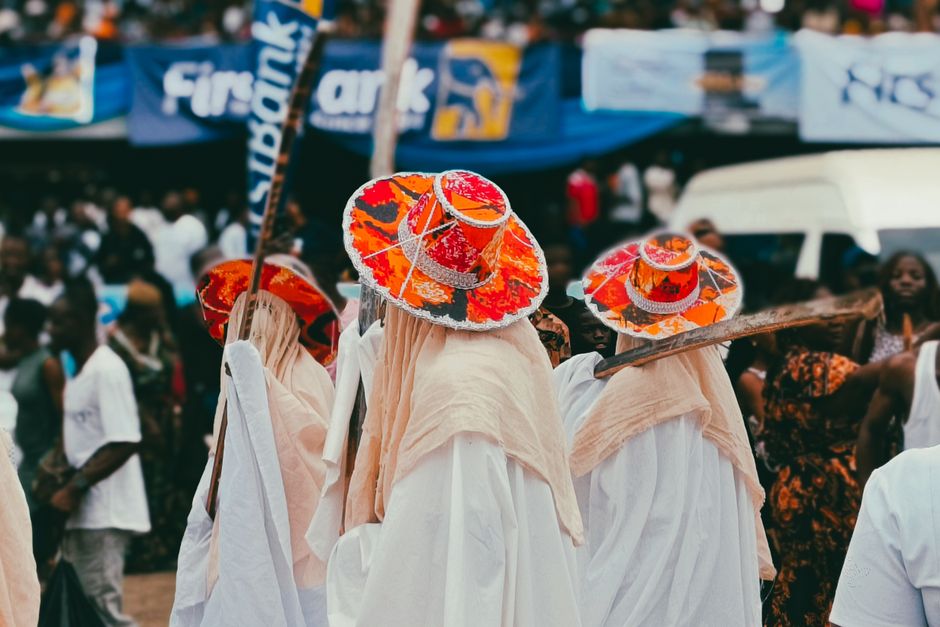
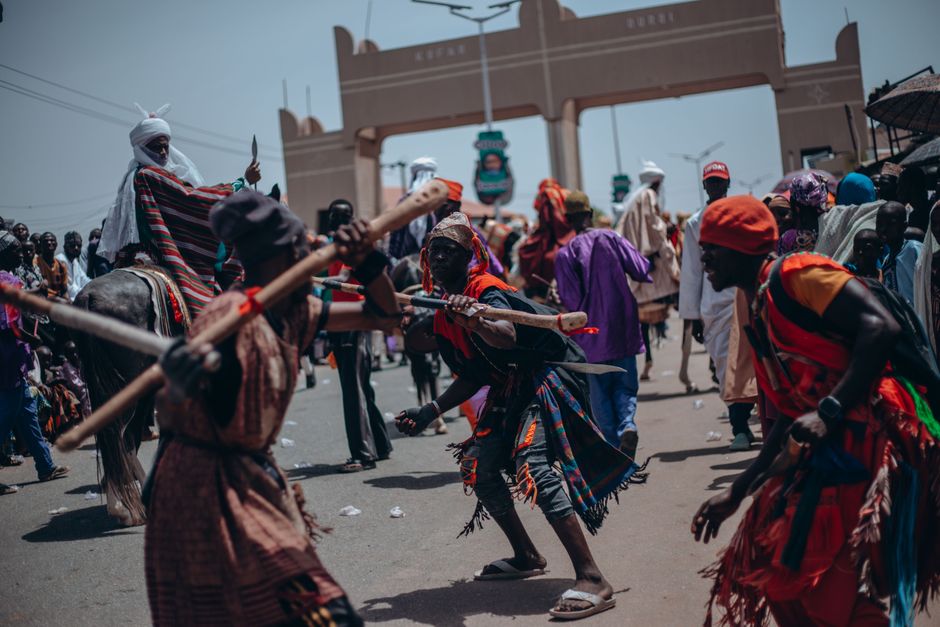
East Africa, a region blessed with breathtaking landscapes and diverse cultures, offers a fascinating tapestry of traditions and lifestyles. As a Nigerian traveler, exploring East Africa's cultural diversity can be a transformative experience, offering insights into the heritage and social fabric of our fellow African brothers and sisters. Whether it's the rhythmic beats of traditional drums or the colorful textiles that capture your imagination, there's something for everyone in this vibrant part of the continent.
In this article, we'll delve into the enchanting cultures of East Africa, exploring the unique traditions that make this region a must-visit for any cultural enthusiast. From the Maasai warriors of Kenya and Tanzania to the Swahili influences along the coast, East Africa promises a cultural immersion like no other.
The Maasai: Guardians of Tradition
One of the most renowned ethnic groups in East Africa is the Maasai. Known for their distinct customs and dressing style, the Maasai have held on to their traditions amidst the waves of modernization.
Traditional Maasai Attire
The Maasai are easily recognizable by their bright red shukas and intricate beadwork. This striking attire is not merely for aesthetics; it serves practical purposes as well. The red color is believed to scare away lions, while the beadwork signifies social status and beauty.
- Beadwork: Each color of bead has a specific meaning, such as red symbolizing bravery.
- Shukas: Traditionally made from cotton, these garments are wrapped around the body to suit the climate and activities.
Cultural Practices
The Maasai practice various ceremonies to mark significant life events. The 'Eunoto' is a coming-of-age ceremony for young men, where they prove their readiness to become warriors.
"The Eunoto ceremony is a rite of passage where boys transition into adulthood, a crucial part of Maasai tradition."
The Swahili Coast: A Melting Pot of Cultures
Along the Indian Ocean, the Swahili Coast stretches from Southern Somalia to Northern Mozambique, encompassing parts of Kenya and Tanzania. This region is a blend of African, Arab, Indian, and European influences.
Language and Literature
Swahili, a Bantu language with Arabic influences, serves as a lingua franca in East Africa. It is a language of trade, culture, and unity, bridging diverse ethnic groups.
- Swahili Poetry: Known as 'Ushairi,' Swahili poetry is a significant part of the region's oral literature, often performed in musical forms.
- Trade Language: Swahili is widely used in commerce across East Africa, making it an essential tool for business communication.
Architectural Heritage
The Swahili Coast is dotted with historical towns like Lamu and Zanzibar, showcasing unique architecture influenced by various cultures over centuries.
"Exploring the narrow streets of Stone Town in Zanzibar feels like stepping back in time, with each building telling a story of its multicultural past."
Uganda's Vibrant Cultural Scene
Uganda, often referred to as the 'Pearl of Africa,' is home to a rich tapestry of tribes, each contributing to the country's vibrant cultural scene.
Traditional Music and Dance
Music plays a vital role in Ugandan culture, with each tribe offering distinct musical styles. The 'Kiganda' dance of the Baganda people is particularly famous for its energetic and rhythmic movements.
- Instruments: Traditional instruments like the 'endongo' (lyre) and 'adungu' (harp) are integral to Ugandan music.
- Cultural Festivals: Events like the Nyege Nyege Festival celebrate both traditional and contemporary African music.
Crafts and Artistry
Uganda is renowned for its handmade crafts, from woven baskets to bark cloth, a traditional material made from the bark of the Mutuba tree.
"Craft markets in Kampala offer a treasure trove of handmade goods, each piece telling a story of its creator's heritage and skill."
Rwanda: A Land of Resilience and Culture
Rwanda, known for its tragic past, has emerged as a symbol of resilience and cultural renaissance.
Intore Dance
The Intore dance, often performed at important ceremonies, is an iconic part of Rwandan culture, featuring dynamic leaps and intricate choreography.
- Warrior Dance: Historically performed by warriors, it symbolizes bravery and strength.
- Drumming: Drummers provide a powerful rhythm that drives the dancers' movements.
Traditional Art and Crafts
Rwandan artisans are famous for their 'Imigongo' art, a unique form of painting using cow dung to create geometric patterns.
"Visiting a Rwandan village workshop reveals the incredible skill and creativity behind Imigongo art, a testament to Rwanda's rich artistic heritage."
Conclusion
Exploring the cultural landscapes of East Africa offers a deep connection to the continent's heart. As Nigerians, visiting our East African neighbors provides a richer understanding of Africa's vast cultural diversity. Whether it's participating in traditional dances, learning a few Swahili phrases, or simply enjoying the vibrant markets, East Africa's cultures are inviting and warm, much like our own.
So pack your bags and prepare for an adventure that promises not just to satisfy your wanderlust but also to enrich your cultural appreciation. East Africa awaits, with open arms and a rich array of cultural experiences.