Nigeria, a land of over 250 ethnic groups, offers a vibrant tapestry of cultures, traditions, and festivals that captivate the soul. For the Nigerian traveler or anyone interested in African culture, exploring Nigeria's numerous cultural festivals can be a doorway to understanding the nation's rich heritage. These festivals are not just events; they are a celebration of identity, history, and community spirit, each telling its own unique story through music, dance, and traditional rites.
From the dazzling displays of the Eyo Festival in Lagos to the mesmerizing rhythms of the Calabar Carnival, Nigeria's cultural calendar is packed with events that promise to enthrall both locals and tourists. Whether you're a culture enthusiast or just looking for an unforgettable experience, these festivals offer a genuine taste of Nigeria's diversity and vibrancy. Let's dive into some of the most iconic cultural festivals that should be on your radar.
The Eyo Festival: A Lagosian Spectacle
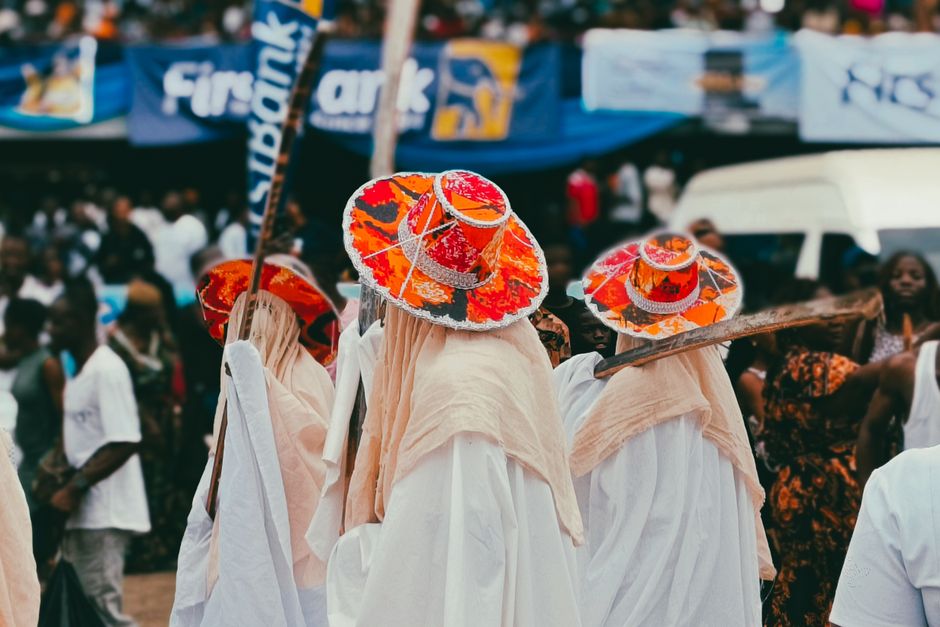
Known for its grandeur and vibrant display, the Eyo Festival is one of Lagos' most iconic cultural events. It transforms the bustling city into a sea of white-clad masqueraders known as 'Eyo'.
Historical Significance
The Eyo Festival dates back to over 150 years and is held in honor of past Obas of Lagos. It is a celebration rich in history and tradition.
"The Eyo Festival is a unique cultural heritage that showcases the wealth of Lagos' traditions."
The Procession
During the festival, participants march from the Iga (palace) of one Oba to the Iga of another, stopping at the Tafawa Balewa Square. The sight of the long white robes and hats swaying to the rhythm of traditional drums is nothing short of spectacular.
- Participants, known as 'Eyo', wear white robes and a hat, carrying a staff called 'Opa'.
- The festival includes a parade through the streets of Lagos Island.
- Drummers and singers accompany the Eyo, adding to the festive atmosphere.
Calabar Carnival: Africa's Biggest Street Party
Dubbed as Africa's biggest street party, the Calabar Carnival is a month-long event that brings together thousands of people from across the globe to the city of Calabar.
The Carnival Experience
Held every December, this carnival is a showcase of the diverse cultural heritage of Nigeria fused with modern entertainment.
Highlights and Activities
The carnival features street parades, colorful costumes, and performances, all contributing to the carnival's theme for the year.
- The event kicks off with a tree-lighting ceremony.
- Expect vibrant parades with beautifully adorned floats.
- Cultural displays from the Efik, Ibibio, and other ethnic groups in Cross River State.
Osun-Osogbo Festival: A Spiritual Pilgrimage
The Osun-Osogbo Festival is a sacred cultural event held annually in Osogbo, Osun State. It is a two-week-long event that celebrates the sacred grove of the goddess Osun.
Tradition Meets Spirituality
This festival attracts thousands of devotees and tourists who come to seek spiritual blessings and witness the colorful rituals.
"Visiting the Osun-Osogbo Festival is like stepping into a world where tradition and spirituality intertwine beautifully."
The Rituals
The highlight of the festival is the Arugba's procession, where a virgin girl carries a sacred calabash offering to the river goddess.
- The festival is marked by traditional rites performed by the Ataoja of Osogbo and priestesses.
- It includes art exhibitions, traditional dances, and music performances.
- Participants wear traditional attire, adding to the festival's authenticity.
Argungu Fishing Festival: A Cultural and Sporting Event
Held in Kebbi State, the Argungu Fishing Festival is a unique blend of culture and sport, attracting fishermen and tourists alike.
The Main Event
The festival's highlight is the fishing competition, where participants try to catch the largest fish using traditional methods.
More Than Just Fishing
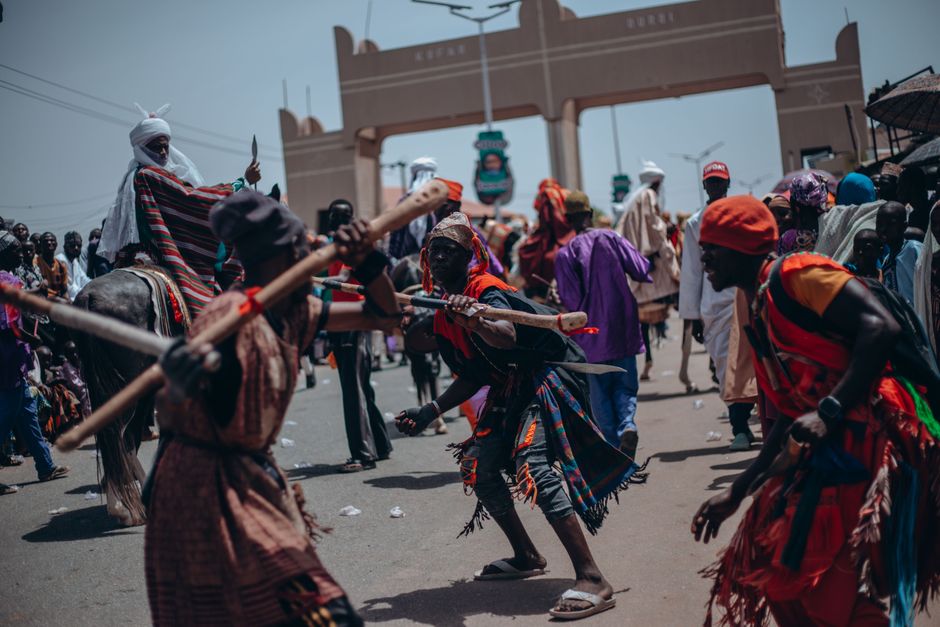
Beyond fishing, the festival includes wrestling matches, cultural dances, and musical performances, showcasing the rich culture of the Hausa people.
- Fishermen use large nets made from locally sourced materials.
- The event promotes conservation and sustainable fishing practices.
- Winners of the fishing contest receive prizes and accolades.
Conclusion
Exploring Nigeria's cultural festivals offers a captivating insight into the country's diversity and heritage. Whether you are drawn to the spiritual allure of the Osun-Osogbo Festival, the vibrant display of the Eyo Festival, or the lively atmosphere of the Calabar Carnival, there's something for everyone. These festivals not only preserve traditions but also offer a platform for cultural exchange and unity. So pack your bags, embrace the vibrant Nigerian culture, and create memories that will last a lifetime.