Nigeria, a country teeming with vibrant culture and history, offers a rich tapestry of experiences that captivate any traveler. From pulsating festivals to exquisite arts and crafts, Nigeria's cultural landscape is as diverse as its people. For Nigerian readers and travelers alike, uncovering the nuances of their own cultural heritage can be both enlightening and invigorating. Imagine the thrill of dancing to rhythmic beats at a local festival or savoring traditional dishes that tell stories of the past. This journey through Nigeria's cultural highlights promises not only a deeper understanding of this West African nation but also an appreciation of its contributions to the global cultural mosaic.
Embarking on a cultural tour of Nigeria is akin to stepping into a vibrant, living museum. Each region, from the bustling markets of Lagos to the tranquil villages in the North, offers unique insights and stories. For those who have grown up in Nigeria, exploring these cultural treasures can bring a renewed sense of pride and connection to their roots. And for those visiting, it offers a rich tapestry of experiences that can transform perspectives and understanding. So, whether you're a seasoned traveler or someone looking to explore Nigeria's cultural heritage for the first time, this comprehensive guide will provide all the insights you need for an unforgettable journey.
Festivals: A Celebration of Life and Tradition
The Eyo Festival: Lagos' Grandest Parade
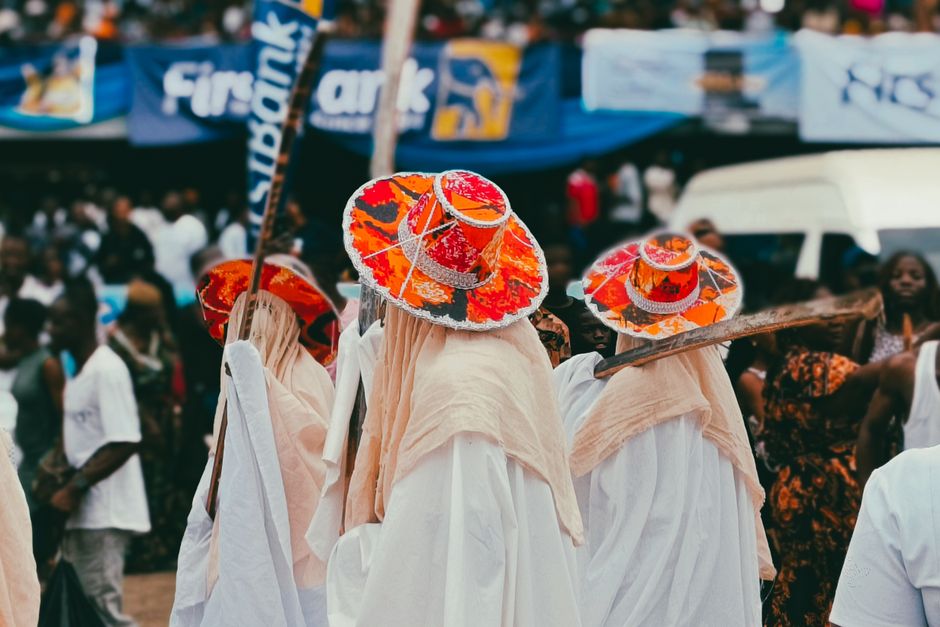
The Eyo Festival, a spectacular masquerade parade, is one of Lagos' most significant cultural events. This festival is not only a feast for the eyes but also a deep-rooted tradition that symbolizes the spirits of ancestors blessing the land. Visitors can expect to see thousands of participants clad in white flowing robes and wide-brimmed hats, dancing and parading through the streets.
"The Eyo Festival is a must-see for anyone interested in understanding the cultural heartbeat of Lagos."
Durbar Festival: A Northern Extravaganza
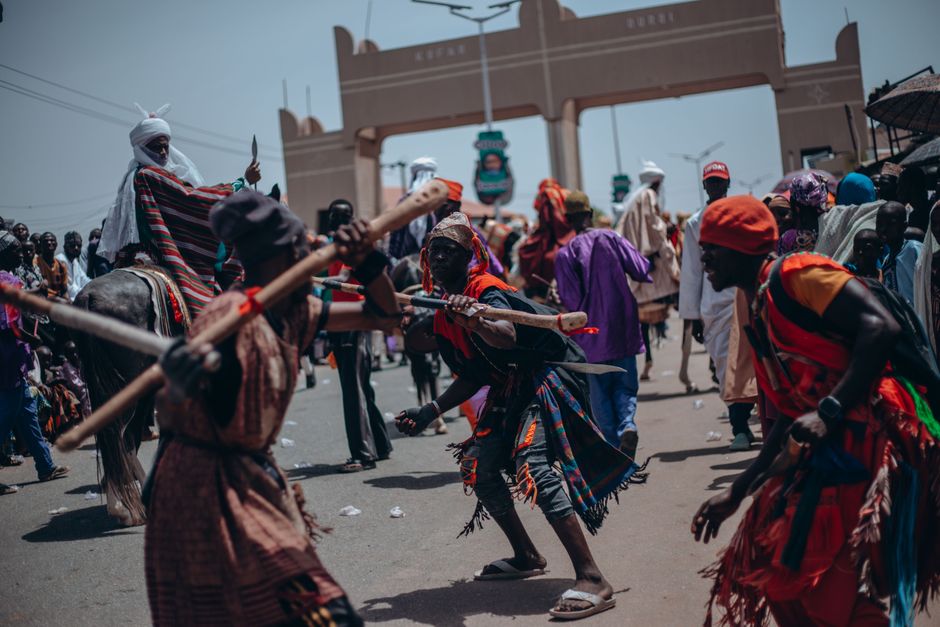
Held at the end of Ramadan and during Eid al-Fitr, the Durbar Festival is a grand display of horsemanship and cultural pride. This festival is celebrated in several northern cities like Kano, offering attendees a chance to witness regal processions of horsemen dressed in vibrant traditional attire.
- Experience the vibrant costumes and intricate beadwork.
- Witness the skillful horsemanship and traditional music performances.
- Engage with the local community to learn about the historical significance of the festival.
Arts and Crafts: A Tapestry of Creativity
Traditional Weaving and Textiles
Nigeria's textile industry is a testament to the country's artistic heritage. In regions like Abeokuta, the art of Aso-Oke weaving is a century-old tradition, creating luxurious fabrics that are worn during special occasions. These textiles are not only beautiful but also carry cultural significance, with patterns often telling stories of ancestry and tradition.
Nok Terracotta Sculptures
The ancient Nok culture, known for its terracotta sculptures, offers fascinating insights into Nigeria's prehistoric art. These artifacts, dating back to around 1500 BC, are a testament to the advanced artistic skills of early Nigerian civilizations.
"Exploring the arts and crafts of Nigeria offers a window into the soul of this diverse nation."
Cuisine: A Culinary Journey
Jollof Rice: A West African Staple
No exploration of Nigerian culture would be complete without indulging in its flavorful cuisine. Jollof rice, a dish beloved across West Africa, is a staple at Nigerian gatherings. Each region has its own twist on the recipe, but the vibrant mix of tomatoes, spices, and rice remains a constant.
Suya: Street Food Delight
For a true taste of local flavor, one must try Suya, a spicy meat skewer that is a popular street food across Nigeria. Marinated in a blend of spices, the meat is grilled to perfection and served with fresh vegetables, providing a fiery yet delightful culinary experience.
Traditional Music and Dance
Afrobeats: Nigeria's Global Sound
Nigeria is renowned for its musical contributions, with Afrobeats leading the charge on the global stage. Artists like Fela Kuti, Burna Boy, and Wizkid have brought Nigerian music to international audiences, blending traditional rhythms with modern beats.
Traditional Dances
From the energetic Bata dance of the Yoruba people to the graceful Atilogwu dance of the Igbo, Nigeria's dance forms are as diverse as its culture. These dances are often performed during festivals and ceremonies, showcasing the rich cultural diversity of the nation.
- Participate in dance workshops to learn the steps and rhythms.
- Attend cultural performances to witness the intricate choreography.
- Invite locals to share the stories and significance behind each dance.
Final Thoughts
Exploring Nigeria's cultural heritage is a journey of discovery and connection, offering insights into the rich tapestry that makes up this vibrant nation. From colorful festivals and traditional crafts to mouth-watering cuisine and soulful music, Nigeria's cultural offerings are as dynamic as its people. For Nigerian readers, this exploration can deepen a sense of pride in their heritage, while for visitors, it offers a unique opportunity to experience a culture that is both ancient and modern, local and global, all at once.