Nigeria, known as the Giant of Africa, is a country teeming with vibrant cultures and traditions. Among its many treasures are the numerous cultural festivals that provide a unique glimpse into the soul of West Africa. For Nigerian readers, these festivals are not just events; they are vibrant displays of history, heritage, and community spirit.
From the colorful streets of Calabar to the bustling atmosphere of Lagos, these festivals offer a chance to celebrate the diverse cultures that make Nigeria truly unique. Whether you're a local looking to reconnect with your roots or a traveler eager to experience the richness of African culture, these festivals are not to be missed.
In this comprehensive guide, we’ll explore some of Nigeria's most iconic cultural festivals, delve into their significance, and provide tips on how to make the most of your visit. Get ready to be enchanted by the music, dance, and traditions that define Nigeria’s cultural landscape.
The Significance of Nigerian Cultural Festivals
Nigerian cultural festivals play a crucial role in preserving the country’s rich heritage. They are a testament to the resilience and creativity of its people.
Celebrating Heritage and Identity
Each festival is a celebration of Nigeria's diverse ethnic groups, showcasing their unique traditions and customs. It’s an opportunity for different communities to come together, celebrate their heritage, and reinforce their cultural identity.
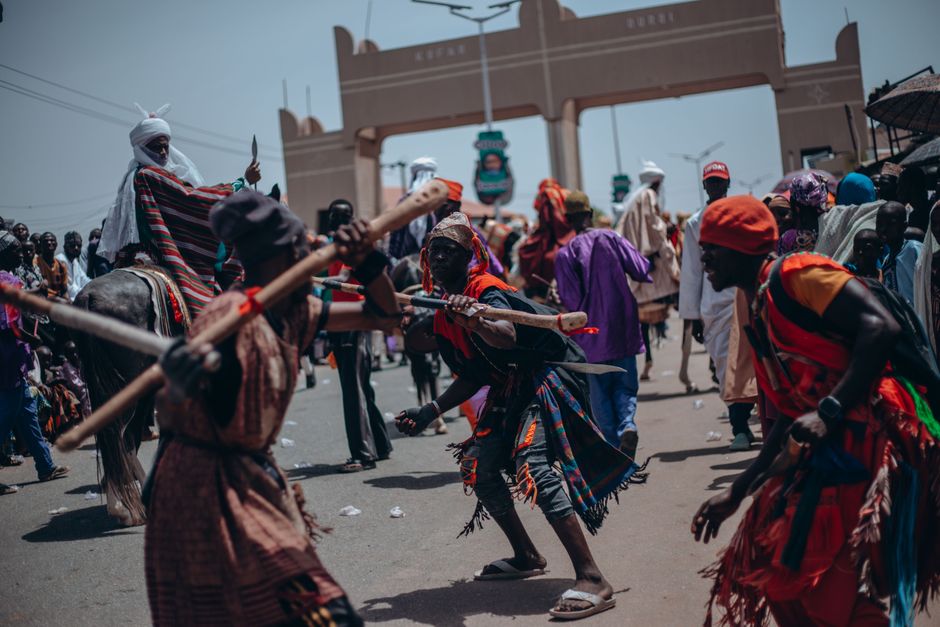
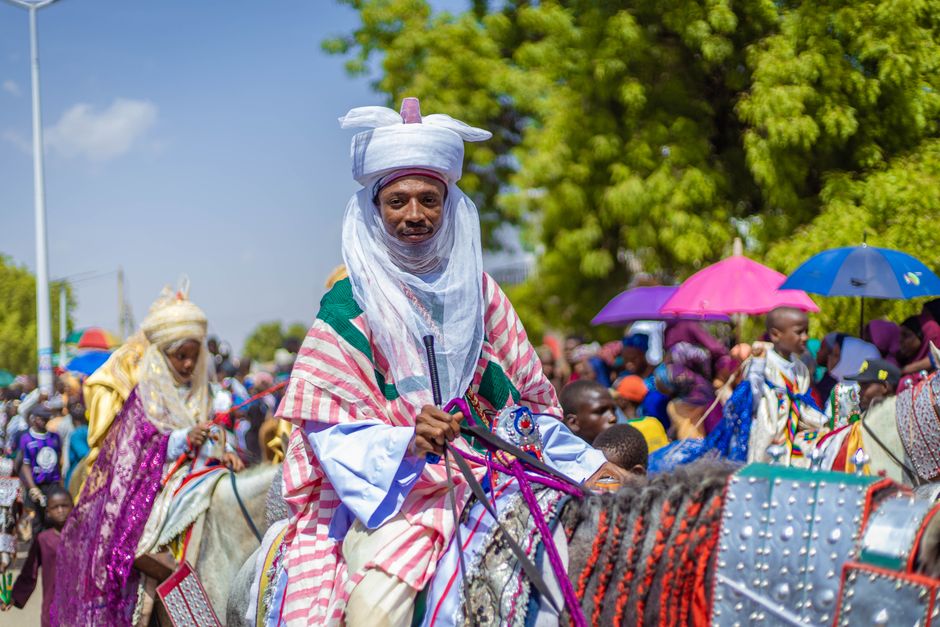
Nigerian festivals are a colorful tapestry of dance, music, and storytelling, reflecting the vibrant spirit of its people.
Strengthening Community Bonds
These festivals are more than just entertainment; they are vital in strengthening the social fabric of communities. They bring people together, fostering unity and goodwill.
"Festivals are a time when we forget our differences and celebrate what unites us," says cultural expert, Dr. Adebola Johnson.
Top Nigerian Cultural Festivals to Experience
1. Eyo Festival, Lagos
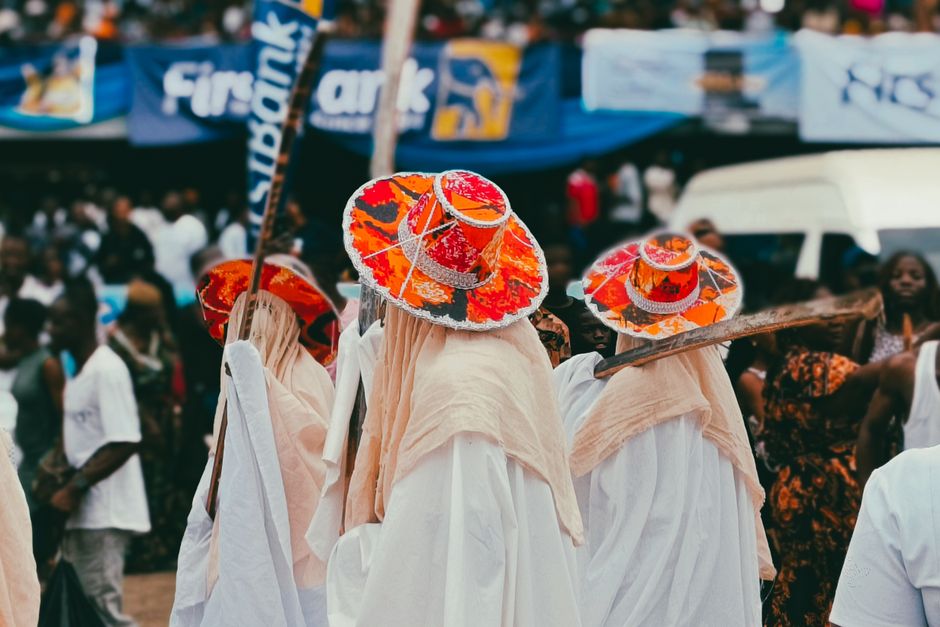
The Eyo Festival, also known as the Adamu Orisha Play, is a grand procession in Lagos that celebrates the spirits, or Orishas, and honors the city's ancestors.
- Location: Lagos Island
- Highlights: White-clad masqueraders, traditional music, and dance
- When: The festival date is flexible, often preceding a state event.
2. Calabar Carnival
Dubbed 'Africa's Biggest Street Party,' the Calabar Carnival transforms the city into a vibrant spectacle of costumes, music, and dance.
- Location: Calabar, Cross River State
- Highlights: Parades, colorful costumes, and cultural displays
- When: Annually in December
3. Osun-Osogbo Festival
The Osun-Osogbo Festival is a two-week-long celebration held in honor of the goddess Osun, one of the Yoruba pantheon’s deities.
- Location: Osogbo, Osun State
- Highlights: Sacred rituals, traditional music, and the Arugba procession
- When: Annually in August
4. Argungu Fishing Festival
The Argungu Fishing Festival is an ancient river festival held in Kebbi State, known for its massive fishing competition.
- Location: Argungu, Kebbi State
- Highlights: Fishing contest, cultural displays, and water sports
- When: Annually in February
Tips for Attending Nigerian Cultural Festivals
Plan Ahead
Due to the popularity of these festivals, it’s essential to plan your trip well in advance. Book accommodations early and check festival schedules.
Dress Appropriately
Consider wearing traditional attire to blend in with the locals and fully immerse yourself in the experience. Comfortable footwear is also recommended.
Engage with Locals
Don’t be shy to interact with the locals. They are often eager to share stories and explain the significance of the customs you’ll witness.
Respect Cultural Norms
Each festival comes with its set of cultural norms. Be respectful of traditions, especially during religious or sacred ceremonies.
Conclusion
Exploring Nigeria through its cultural festivals is an adventure that offers insight into the country's diverse history and vibrant legacy. From the captivating rhythms of traditional dances to the enchanting stories woven through age-old rituals, each festival paints a rich tapestry of Nigeria's cultural panorama.
These festivals not only preserve the country's heritage but also bring joy, unity, and a sense of pride to its people. So pack your bags, immerse yourself in the festivities, and get ready to be part of something truly extraordinary.