Nigeria, a land brimming with cultural diversity and rich historical backgrounds, offers a unique tapestry of festivals that reflect the vibrancy of its people. From the bustling streets of Lagos to the serene landscapes of the Nigerian countryside, festivals hold a revered place in the heart of its citizens. For Nigerian readers, these celebrations are not just events; they are a living tradition, passed down through generations, imbued with stories, customs, and a sense of community.
Imagine the rhythmic beats of drums, the vibrant burst of colors from costumes, and the intoxicating aroma of local delicacies filling the air. These are the sensations that greet you as you dive into the world of traditional Nigerian festivals. They offer an unparalleled peek into the country's soul, showcasing the values and beliefs that have stood the test of time.
In this article, we embark on a journey through some of Nigeria's most captivating traditional festivals, exploring their significance, the stories behind them, and why they are cherished by millions. Whether you're a local looking to reconnect with your roots or a traveler seeking to understand Nigeria beyond its borders, these festivals offer a window into the heart of Nigerian culture.
The Egungun Festival: Honoring the Ancestors
The Egungun Festival is one of Nigeria's most fascinating cultural events, predominantly celebrated by the Yoruba people in the southwestern region. This festival serves as a bridge between the living and the dead, where the spirits of ancestors are believed to visit the earth to bless the living.
Origins and Significance
The festival traces its origins to the Yoruba belief in ancestral worship. Egungun, meaning 'masquerade' or 'mask', is not only a display of artistry but also a deeply spiritual event.
"Egungun Festival is more than just a celebration; it is a spiritual journey that honors the life and contributions of our forebears." — Local Yoruba Elder
Participants believe that the ancestors, represented by the masked dancers, impart wisdom, offer protection, and ensure good fortune for their descendants.
Festivities and Cultural Practices
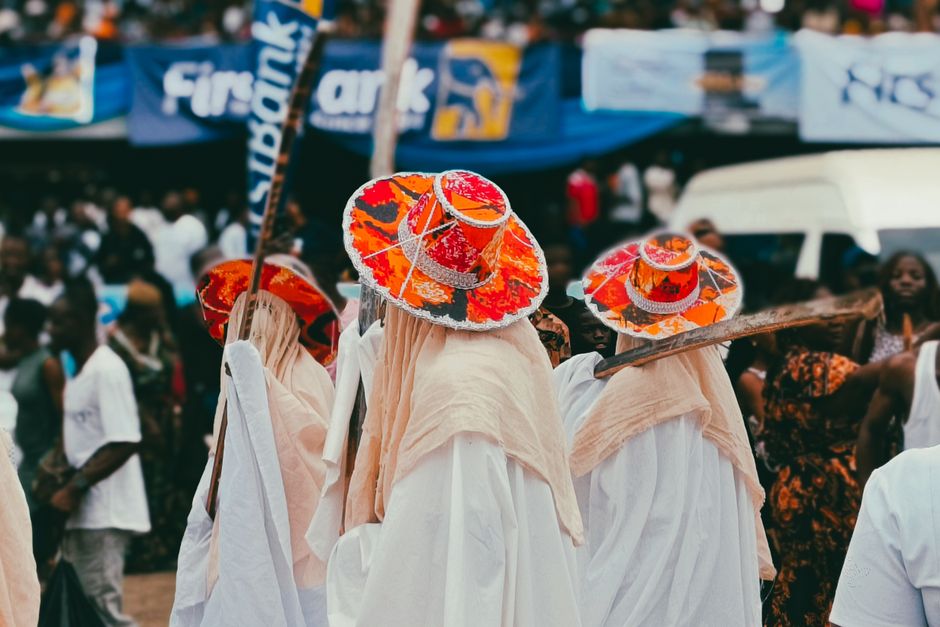
During the Egungun Festival, communities come alive with vibrant parades of masqueraders adorned in elaborate costumes made from colorful fabrics and intricate beadwork. The air is filled with the sound of traditional drumming and chanting as the Egungun spirits dance through the streets, blessing onlookers.
- Attendees often engage in communal feasting, sharing traditional foods such as pounded yam and egusi soup.
- Each family showcases their Egungun, passing down the tradition from one generation to the next.
- The festival culminates in competitions that test the skills of dancers, adding an element of excitement and anticipation.
Osun-Osogbo Festival: Celebrating the Goddess of Fertility
In the heart of Osogbo, the capital of Osun State, lies the legendary Osun-Osogbo Sacred Grove, a UNESCO World Heritage Site and the focal point of the Osun-Osogbo Festival. Dedicated to Osun, the goddess of fertility and protector of the Osun River, this festival is a vibrant display of Yoruba spirituality and cultural heritage.
The Historical Roots
The Osun-Osogbo Festival dates back several centuries and is rooted in the mythology of the Yoruba people. Legend tells of Osun, who bestowed her blessings upon the barren lands of Osogbo, turning them into a fertile paradise. In gratitude, the people promised to honor her with an annual festival.
Today, visitors from all over the world flock to this festival to witness its grandeur and partake in its rituals, which are steeped in symbolism and tradition.
Rituals and Celebrations
The festival spans two weeks, with each day marked by unique ceremonies and activities. These include traditional music, art exhibitions, and theatrical performances that depict Yoruba folklore.
- The 'Iwopopo' procession marks the commencement of the festival, where worshippers cleanse the town of evil spirits.
- The 'Arugba' ritual is one of the festival's highlights, where a virgin girl, carrying a sacred calabash, leads a procession to the grove.
- Prayers and offerings are made at the Osun River to seek blessings for fertility, prosperity, and protection.
The Durbar Festival: A Royal Display of Culture
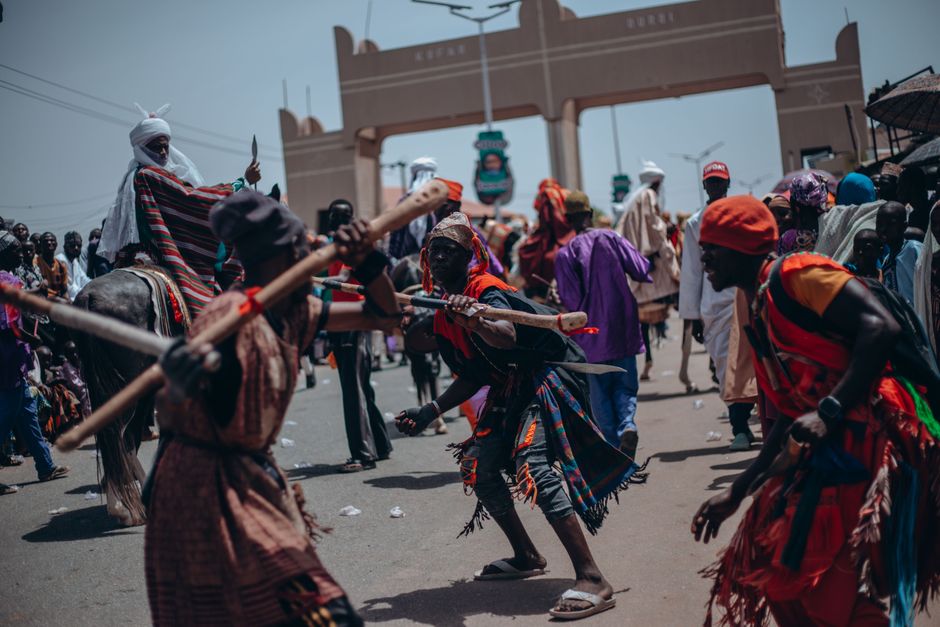
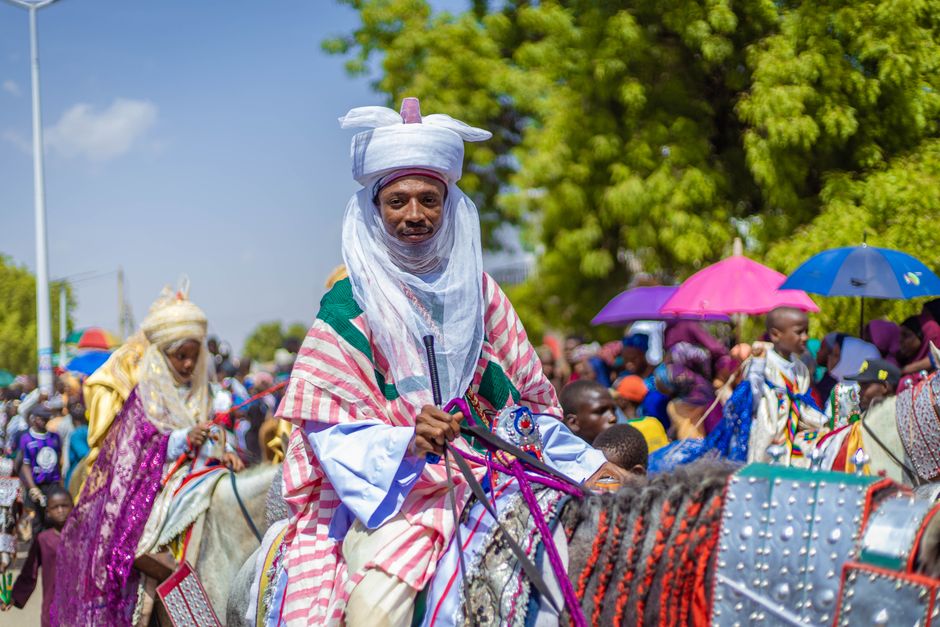
Celebrated predominantly in Kano and other northern states, the Durbar Festival is a spectacular display of horse-riding horsemanship and pageantry. This Islamic festival is held at the culmination of Eid al-Fitr and Eid al-Adha, showcasing the rich cultural heritage of the Hausa-Fulani people.
History and Origin
The Durbar Festival has its roots deep in the history of Northern Nigeria, originally conceived as a military parade to demonstrate the cavalry skills of the emirate's warriors. Over the years, it has evolved into a cultural celebration, reflecting the region's traditions and Islamic influences.
Festival Highlights
The Durbar is a vibrant spectacle, characterized by:
- Regal processions of emirs and chiefs, adorned in elaborate traditional garments and turbans.
- Gallant displays of horse-riding, with riders performing acrobatic feats and showcasing their horsemanship.
- Cultural performances, including traditional music and dance, adding rhythm and energy to the celebrations.
"The Durbar Festival is a tapestry of color, tradition, and unity, showcasing the grandeur of Northern Nigeria's cultural legacy." — Nigerian Historian
The New Yam Festival: A Harvest Celebration
The New Yam Festival, known locally as 'Iri Ji' or 'Ikeji', is an annual celebration heralded by the Igbo people across southeastern Nigeria. It marks the end of the farming season and the beginning of a new harvest cycle, expressing gratitude to the gods for a bountiful harvest.
Significance and Tradition
As a traditional marker of the Igbo calendar, the New Yam Festival holds immense cultural and agricultural significance. It signifies renewal, abundance, and gratitude, deeply intertwined with the agrarian lifestyle of the Igbo people.
Cultural Practices and Festivities
The festival is marked by joyous celebrations, featuring traditional music, dance, and feasting on yam delicacies prepared in various ways.
- Before the festival, yams are ceremoniously offered to deities and ancestors, seeking their blessings for a fruitful year ahead.
- Communities gather to share meals, showcasing yam dishes like roasted yams, yam porridge, and pounded yam.
- Traditional Igbo attire is worn, and vibrant dances like the 'Atilogwu' are performed to entertain attendees.
Conclusion
Traditional Nigerian festivals are a testament to the country's rich cultural tapestry, where ancient customs seamlessly blend with contemporary life. These celebrations are more than mere spectacles; they are a profound expression of identity, community, and continuity. For Nigerians, participating in these festivals is a way of preserving their heritage, renewing their spirits, and passing on the legacy to future generations.
Whether you are drawn by the spiritual depth of the Egungun, the mythological allure of Osun-Osogbo, the regal pageantry of the Durbar, or the agrarian joy of the New Yam Festival, each offers a unique glimpse into the heart of Nigeria. As you plan your next cultural excursion, let these festivals be your guide into the soul of a nation that celebrates life with unparalleled vibrancy and resilience.