East Africa is a region brimming with vibrant cultures, languages, and traditions that beckon travelers from around the globe. With its delightful blend of old and new, East Africa offers a treasure trove of cultural experiences waiting to be explored. For Nigerian travelers, this region offers a fascinating glimpse into cultures that are both distinct and relatable, reflecting the diverse mosaic of African heritage.
From the rhythmic beats of traditional dances to the intricate art of storytelling, East Africa's cultural tapestry is as rich as it is diverse. Whether you're exploring the bustling markets or participating in age-old festivals, there's something uniquely captivating about the cultural journey this region offers.
The Languages of East Africa
Language serves as the foundation of culture, and East Africa is home to a plethora of languages, each carrying its own rhythm and history.
Swahili: The Lingua Franca
Swahili stands out as the most widely spoken language in East Africa. It is the lingua franca that bridges different ethnic groups across Tanzania, Kenya, Uganda, and beyond.
"Swahili is not just a language; it's a symbol of unity across diverse cultures in East Africa."
For Nigerians familiar with the diverse linguistic landscape at home, Swahili presents an interesting parallel as it unifies the region much like English or Pidgin does in Nigeria.
Other Local Languages
Beyond Swahili, East Africa hosts a myriad of local languages such as Kikuyu, Luo, and Kinyarwanda, each offering a glimpse into the rich ethnic diversity of the region.
- Kikuyu: Predominant among the Kikuyu people in Kenya, this language is spoken by millions and is integral to their cultural identity.
- Luo: Spoken around Lake Victoria, it is known for its rich oral literature and musical heritage.
- Kinyarwanda: The national language of Rwanda, celebrated for its poetic expressions and proverbs.
Traditional Music and Dance
Music and dance are at the heart of East African culture, providing a window into the soul of its people.
The Rhythms of East Africa
From the coastal Taarab music of Zanzibar to the traditional folk songs of Uganda, East Africa boasts a diverse array of musical styles.
"Music in East Africa is not just entertainment; it is a way of life, a means to tell stories and preserve history."
Nigerian travelers will find a familiar passion in these musical traditions, echoing the dynamic beats found at home.
Traditional Dances
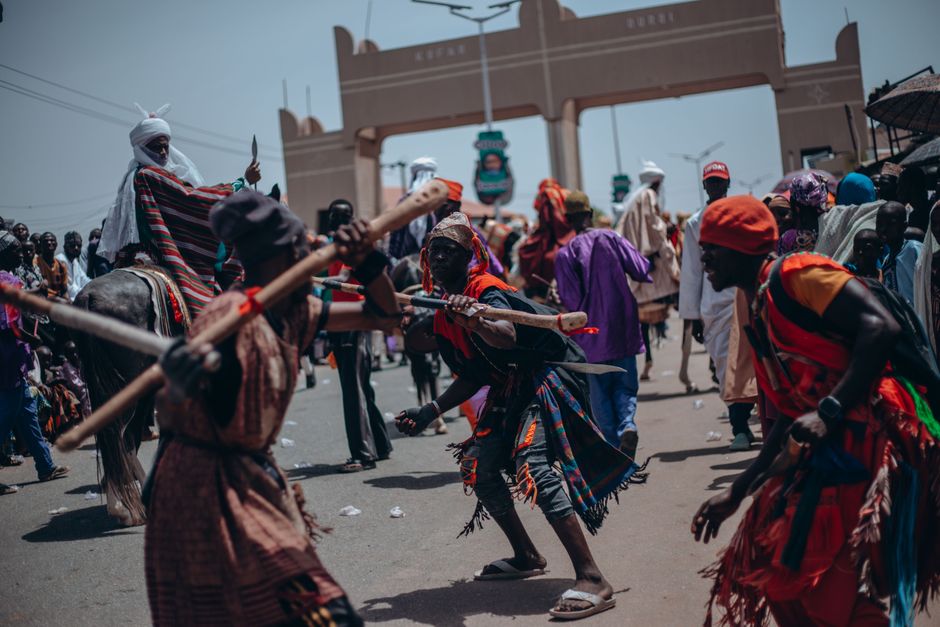
Dances like the Maasai jumping dance or the graceful movements of the Rwandan Intore dancers are not just performances but expressions of cultural identity.
- Maasai Dance: Known for its energetic jumps and vibrant attire, it's a ceremonial dance that celebrates warriorhood and community.
- Intore Dance: Known as the "Dance of Heroes," it's characterized by its elegant choreography and colorful costumes.
Cultural Festivals and Celebrations
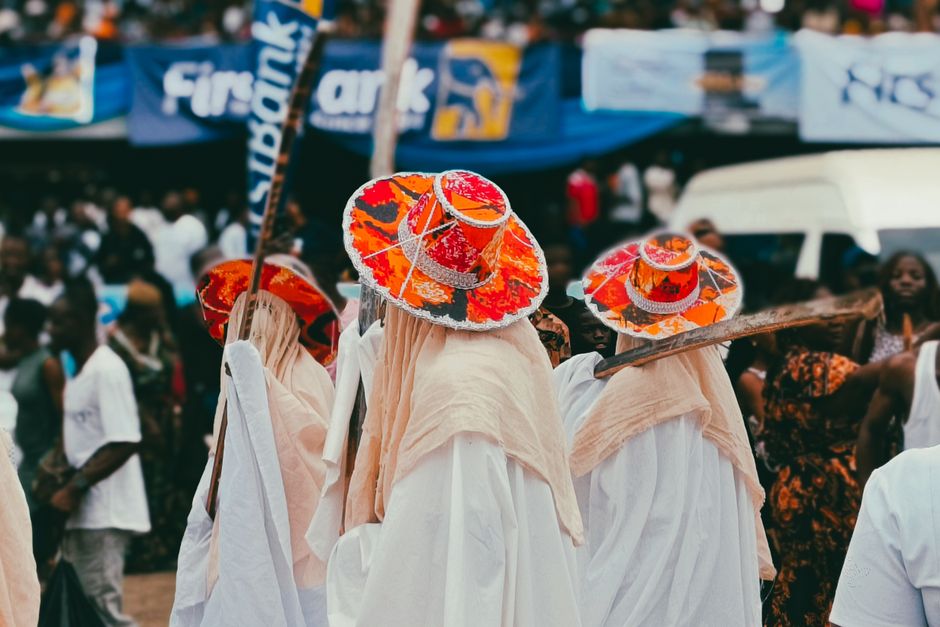
East Africa's cultural festivals offer a kaleidoscope of colors, sounds, and traditions that capture the essence of the region.
Sauti za Busara
Held annually in Zanzibar, this music festival celebrates the best of Swahili music, drawing artists and audiences from across the continent.
"Sauti za Busara is more than a festival; it's a celebration of cultural diversity and musical heritage."
For those familiar with Nigerian music festivals like Felabration, Sauti za Busara offers a similar vibe of cultural pride and artistic expression.
Rwanda's Kwita Izina
This unique event is a traditional naming ceremony for baby gorillas, reflecting Rwanda's commitment to conservation and cultural heritage.
- Conservation Focus: Highlights the importance of wildlife preservation in African cultures.
- Cultural Significance: Blends modern conservation efforts with traditional Rwandan customs.
Art and Craftsmanship
Art in East Africa is as diverse as its people, with each piece telling a story of its own.
Intricate Crafts
East African artisans are renowned for their skillful craftsmanship, creating everything from intricate beadwork to vibrant textiles.
"East African crafts are a testament to the region's rich heritage and creativity."
Nigerian travelers will appreciate the craftsmanship, reminiscent of the artistry found in markets like Balogun or Lekki.
Contemporary Art
The contemporary art scene in cities like Nairobi and Kampala is flourishing, with artists exploring themes of identity, politics, and the environment.
- Galleries and Exhibitions: Spaces like the Nairobi Gallery offer a glimpse into the vibrant art scene.
- Street Art: Urban centers are adorned with murals that speak to the region's history and future.
Conclusion
East Africa's cultural journey is one of discovery, filled with history, artistry, and a sense of community that resonates deeply with anyone who visits. For Nigerian travelers, this region offers a soulful connection to the broader African narrative, providing both familiar comforts and new wonders to explore. Whether it's the medley of languages, the rhythm of the dances, or the vibrancy of the festivals, East Africa promises an unforgettable cultural odyssey.