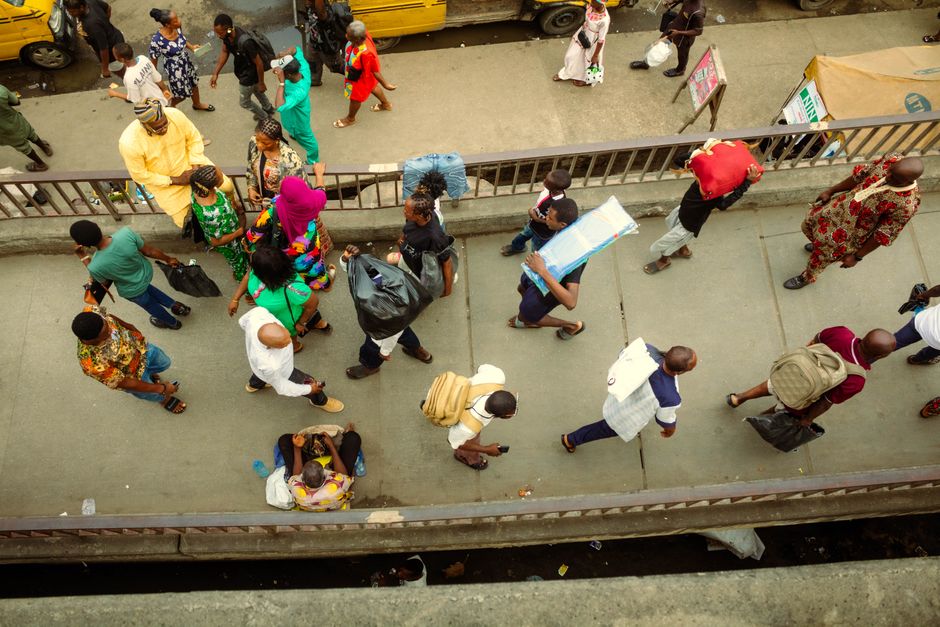
It was a bright Tuesday morning in Lagos, and I was ready to embark on a unique adventure navigating Nigeria's bustling public transportation system. As I stood at the busy bus stop in Ojuelegba, I could feel the anticipation bubbling within me. Public transportation in Nigeria is an experience like no other, with its quirks and challenges, yet offering an authentic glimpse into the daily lives of millions of Nigerians.
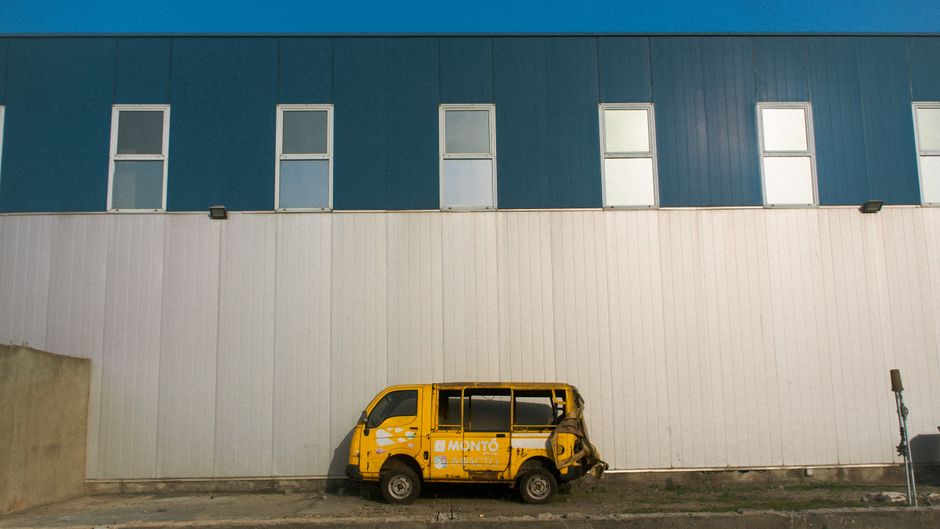
My journey began with the iconic yellow danfo bus, a staple in Lagos. These buses are known for their vibrant colors and lively conductors who shout destinations with fervor. As I climbed aboard, I was engulfed by a cacophony of sounds—the hum of the engine, the murmur of conversations, and the occasional shout of a conductor reminding passengers of their stops.
Finding a seat was my first challenge. The bus was packed, yet I managed to squeeze in beside a vendor selling groundnuts, her basket perched precariously on her lap. With a deep breath, I settled down and prepared for the ride ahead.
Understanding the Dynamics of Danfo Buses
The Role of the Conductor
The conductor is the lifeline of any danfo bus. Usually hanging halfway out of the vehicle, he collects fares, makes change, and calls out stops. Their work is taxing, yet they're integral to the system. I admired their ability to juggle responsibilities with an uncanny sense of calm.
Routes and Destinations
Navigating danfo routes can be daunting for newcomers. However, locals are always willing to assist. I quickly learned to listen for keywords—like "CMS" or "Obalende"—that would guide me to my destination.
"Always confirm your destination with the conductor and fellow passengers to avoid unnecessary detours," advised a friendly passenger beside me.
Exploring Lagos with BRT Buses
The Comfort of BRT
The blue and white Bus Rapid Transit (BRT) system offers a more organized and comfortable alternative. With designated lanes, the BRT buses bypass the infamous Lagos traffic, making them a favorite among commuters.
Purchasing a BRT Ticket
Tickets can be purchased at terminals, but I opted for the more convenient Cowry Card, which offers flexibility and ease of use. Topping it up was a straightforward process, and I was ready to board.
- Bring exact change or your Cowry Card for a smoother experience.
- Stand in line patiently as buses operate on a first-come, first-served basis.
The Unique Experience of Okadas and Keke Napep
When Time is of the Essence
For quick trips and dodging traffic, I turned to okadas, the motorcycle taxis zipping through Lagos' streets. They offer unmatched speed but require a knack for balance and an acceptance of the open air.
Keke Napep for Short Distances
For a more stable ride, the tricycle taxis, known as keke napep, provided a breezy alternative for short commutes. They are less intimidating and can navigate through narrow alleys that larger vehicles can't.
Safety Tips for Public Transport in Nigeria
Staying Vigilant
Traveling in any major city comes with its own set of challenges. Lagos is no exception. I kept my belongings close, maintaining a keen awareness of my surroundings at all times.
- Avoid using your phone openly in crowded places.
- Trust your instincts—if a situation feels uncomfortable, seek assistance.
Riding During Off-Peak Hours
To avoid the throng of rush hour, I planned my trips during off-peak times. Not only was this less stressful, but it also allowed for a more leisurely experience, giving me the opportunity to enjoy the ride.
Conclusion
My exploration of Nigeria's public transportation offered more than just a means of getting from point A to B. It was an eye-opening journey that immersed me in the vibrant culture of Lagos. Through the hustle of danfo buses, the efficiency of BRT, and the agility of okadas, I gained an appreciation for the resilience and tenacity of Nigerians navigating the city's bustling streets. I left with a newfound respect for the system and the people who make it work every day.