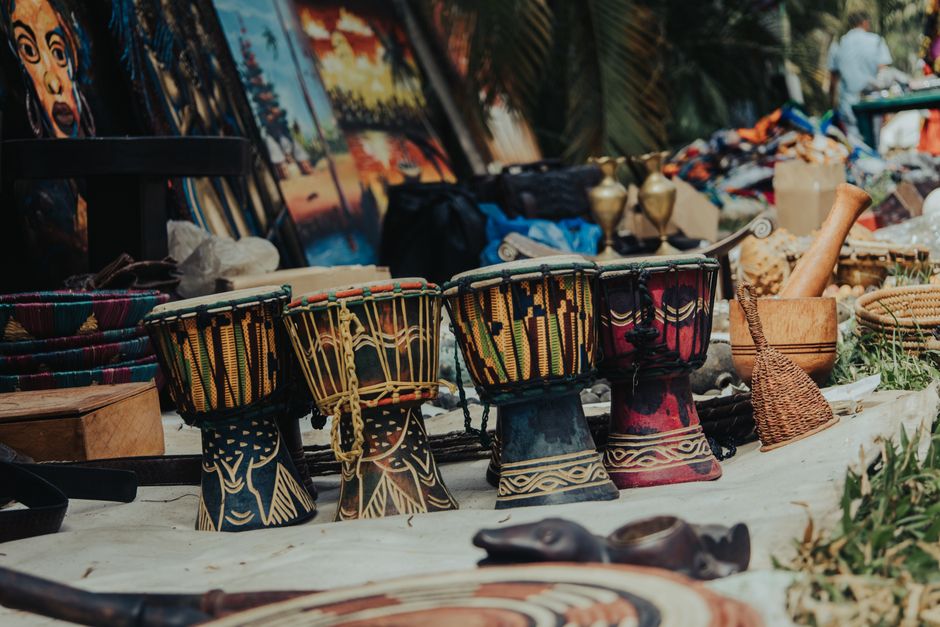
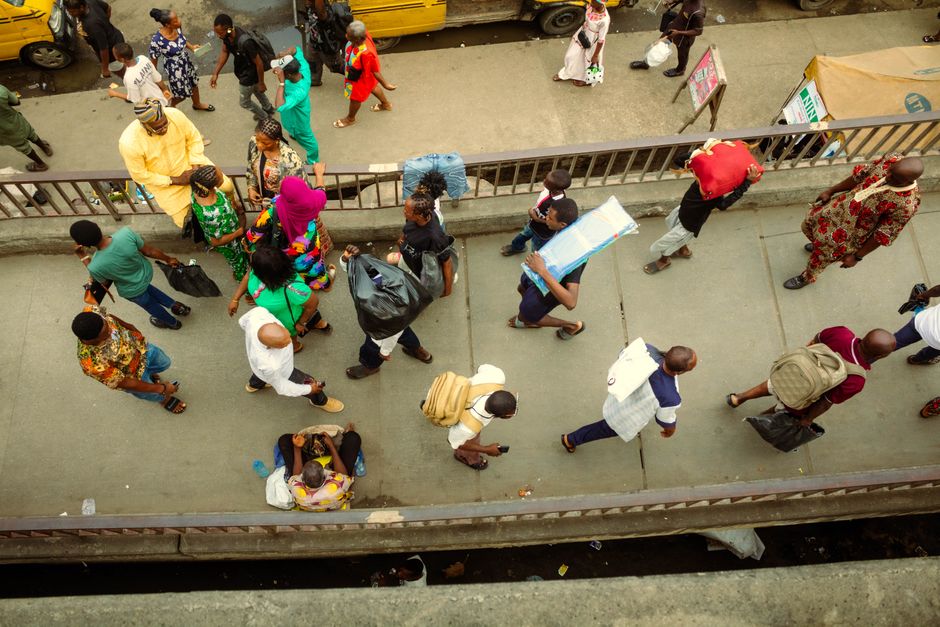
Standing at the entrance of Balogun Market in Lagos, I felt a mix of excitement and trepidation. The vibrant colors, the cacophony of sounds, the aroma of street food wafting through the air—all were intoxicating yet overwhelming. As a newcomer to Nigeria, I'd heard stories of these bustling markets, often described as the lifeblood of the city. Today was my chance to experience it firsthand.
Prior to my visit, I researched Nigerian markets extensively. A friend recommended starting with a smaller market, but I couldn't resist the allure of Balogun, one of the largest and busiest markets in West Africa. I was armed with a few Yoruba phrases, a shopping list, and an open mind.
Entering the market, I was immediately swept into a sea of vendors and shoppers. Each stall was a riot of color, selling everything from Ankara fabric to spices and electronics. It was a sensory overload, yet there was a method to the madness. The market was a living organism, constantly moving and evolving.
The Art of Bargaining
One of the first lessons I learned was the importance of bargaining. In Nigerian markets, haggling is not just expected but respected. My first stop was a fabric stall, where vibrant Ankara prints caught my eye. I approached the vendor, a middle-aged man with a warm smile.
Understanding the Basics
Bargaining is an art form in Nigeria. I learned that starting with a friendly greeting was essential. 'Bawo ni?' I asked, using one of the few Yoruba phrases I had memorized. The vendor beamed, appreciating the effort.
- Always start with a lower offer, but ensure it's reasonable.
- Show interest but not desperation.
- Be prepared to walk away if the price isn't right.
After some back-and-forth, I secured a beautiful piece of fabric for half the initial asking price. It was a victory, not just in terms of cost but in understanding the cultural exchange that bargaining represents.
Finding Hidden Treasures
Navigating the market, I encountered countless treasures that told stories of Nigeria's rich cultural tapestry. From beaded jewelry to handcrafted leather goods, each item was a testament to the artisans' skills.
Seeking Out Unique Finds
One of the highlights was discovering a stall selling traditional Aso Oke fabric, woven with intricate patterns. The vendor, a skilled weaver, demonstrated the weaving process, explaining the cultural significance of each pattern.
"In Nigerian markets, patience and curiosity are your best allies," my friend had advised. I found this to be true as I uncovered hidden gems in every corner.
I ended up purchasing a handwoven basket, perfect for storing spices—a small piece of Nigeria to bring back home.
Embracing the Culinary Delights
No visit to a Nigerian market is complete without indulging in its culinary offerings. The aroma of suya, a spicy meat skewer, was irresistible. I followed my nose to a small stall where a vendor expertly grilled skewers over an open flame.
Sampling Street Food
- Suya: A must-try, spicy and smoky with a hint of peanut.
- Puff-puff: Sweet, doughy balls perfect for a quick snack.
- Jollof Rice: A staple, rich with tomatoes and spices.
Each bite was a burst of flavor, a testament to Nigeria's diverse culinary heritage. The market was not just a place to shop but a feast for the senses.
Building Connections
One unexpected joy was the connections I made. Engaging with vendors, I learned about their lives and stories. A shoe vendor shared tales of his family's long history in the trade, while a spice seller spoke of her grandmother's secret recipes.
Creating Lasting Memories
These interactions were more than transactions; they were moments of genuine connection. It reminded me that markets are not just economic hubs but social networks where relationships are built and nurtured.
As the sun began to set, painting the sky in hues of orange and pink, I left Balogun Market with a heart full of stories and a bag full of treasures. The experience was chaotic yet beautiful, overwhelming yet rewarding. It was a day well spent, and a personal journey that deepened my understanding of Nigeria's vibrant culture.
Conclusion
Visiting Nigeria's markets is an adventure like no other. It's a chance to immerse oneself in the rhythms of local life, to experience the heartbeat of a community. Whether it's bargaining for a piece of fabric, savoring a spicy skewer of suya, or simply soaking in the sights and sounds, each visit is a unique journey. My day at Balogun was not just about shopping; it was about embracing a new culture, making connections, and discovering a piece of myself along the way.