For those unfamiliar with Nigeria's climate, the Harmattan season might come as a surprise. This dry and dusty trade wind that sweeps across West Africa from the Sahara Desert transforms the landscape and the lifestyle of millions. Starting around late November and reaching its peak in January, Harmattan is more than just a weather phenomenon. It's an experience that shapes travel, culture, and daily life in Nigeria.
Many Nigerians see Harmattan as a time of change and reflection. The season paints the skies a hazy shade of gray, and the air becomes cooler, offering respite from the usual tropical heat. But what does this mean for travelers? How does Harmattan influence the vibrant everyday life of Nigeria? Let's explore.
The Climate Shift: Embracing the Chill
Nigerians often refer to Harmattan as the African winter. Temperatures can drop significantly, particularly in the mornings and evenings. For travelers, this means packing differently from what one might expect when visiting a tropical country.
During Harmattan, the daytime temperatures can range from a comfortable 19°C to 25°C (66°F to 77°F), but at night, they can plummet to around 9°C (48°F). Warm clothing becomes essential, especially if you plan to visit the northern regions where the temperature drop is more pronounced.
What to Pack
- Layered clothing: Think sweaters, jackets, and scarves.
- Moisturizers and lip balm: The dry air can be harsh on the skin.
- Sunglasses and hats: Protect your eyes and face from the dusty winds.
"The Harmattan season in Nigeria is a unique blend of chill and charm. Embrace it to truly enjoy the country's diverse climate."
Traveling During Harmattan: What to Expect
If you're planning a trip to Nigeria during Harmattan, it's important to adjust your expectations and itinerary. The dust-laden winds can significantly reduce visibility, affecting flights and road travel. However, these challenges can be part of the adventure.
Flight Disruptions
Delays and cancellations are common due to the low visibility. It's wise to keep updated with airline announcements and consider flexible travel plans.
Scenic Changes
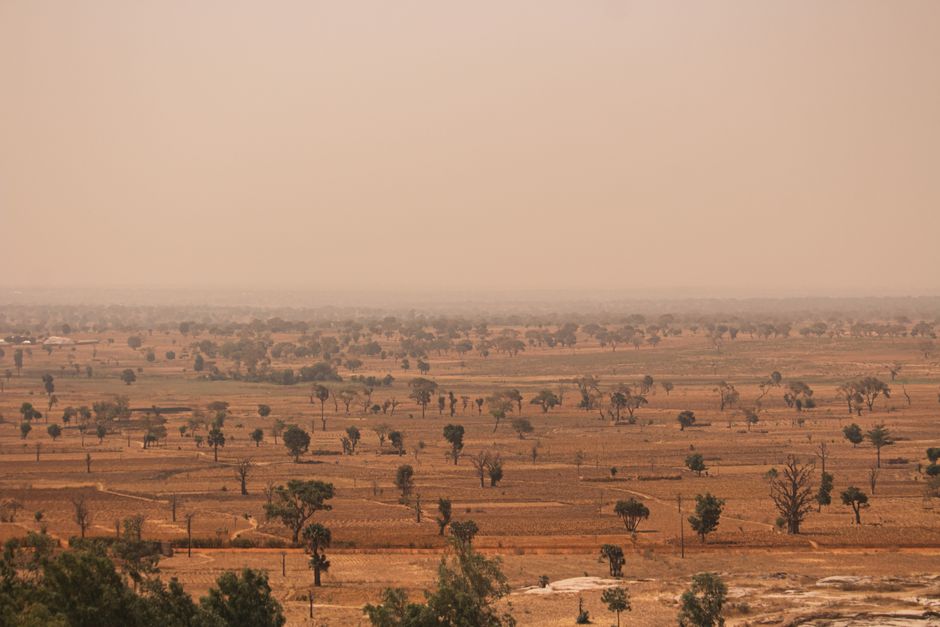
While the harmattan haze may obscure some views, it also offers unique photographic opportunities. The muted sunlight creates a distinct hue over landscapes, perfect for photography enthusiasts.
Cultural Impact: Unveiling Traditions
Harmattan isn't just about climate change; it also brings a wave of cultural activities and traditions. In many Nigerian communities, this season is a time for festivals, family gatherings, and reflection.
Festivals and Celebrations
One of the most vibrant celebrations is the Calabar Carnival, often held in December. Known as Africa's biggest street party, it combines traditional African culture with modern spectacle.
- Attend the carnival to experience colorful parades and music.
- Explore local markets that bustle with festive supplies and decorations.
"Harmattan is a season of stories and traditions. Engage with locals to uncover the rich cultural tapestry of Nigeria."
Daily Life: Navigating the Dust
Living through Harmattan requires adapting to the dry, dusty environment. For locals, it's about balancing daily routines with the seasonal changes.
Health Precautions
- Stay hydrated: Drink plenty of water to combat the dry air.
- Use air purifiers indoors: To minimize dust inhalation.
- Routine check-ups: Especially for those with respiratory issues.
Daily activities may also shift; for instance, laundry takes longer to dry, and outdoor sports could be less frequent due to dust.
Conclusion
Harmattan is more than just a seasonal phenomenon in Nigeria; it's a transformative experience that influences travel, culture, and daily life. While the challenges it presents are real, they are part of its allure. Understanding and preparing for Harmattan allows travelers and residents alike to embrace its unique charm. So, if you're planning a trip to Nigeria, consider visiting during Harmattan to witness this extraordinary season firsthand.