When it comes to traveling in Nigeria, many potential visitors find themselves navigating a sea of myths and misconceptions. From safety concerns to cultural misunderstandings, these myths can deter even the most adventurous traveler. In this guide, we aim to separate myth from fact, providing a clearer view of what Nigeria truly offers.
With its dynamic cities, lush landscapes, and rich cultural tapestry, Nigeria is a destination that promises a unique experience for every visitor. However, persistent myths can overshadow its beauty and potential. Let's debunk some of these misconceptions, allowing the truth to shine through, and perhaps inspire your next journey.
Myth 1: Nigeria is Not Safe for Tourists
Understanding the Roots of This Myth
One of the most pervasive misconceptions about Nigeria is that it is fundamentally unsafe for tourists. News headlines and travel advisories often highlight incidents that paint a bleak picture.
The Reality: A Land of Safety and Hospitality
While Nigeria, like any other country, has areas of concern, many regions are perfectly safe for tourists. Cities like Lagos and Abuja have bustling communities and vibrant cultural scenes that welcome visitors. Safety measures, when traveling, should always be a priority, but Nigeria is no more dangerous than many other travel destinations.
"In Lagos, you'll find friendly locals eager to share their culture and assist tourists."
Myth 2: Nigeria Lacks Cultural Diversity
Debunking the Homogeneity Belief
Another common myth is the assumption that Nigeria's culture is monolithic. Some travelers mistakenly believe that there is little to explore in terms of cultural diversity.
A Rich Tapestry of Cultures
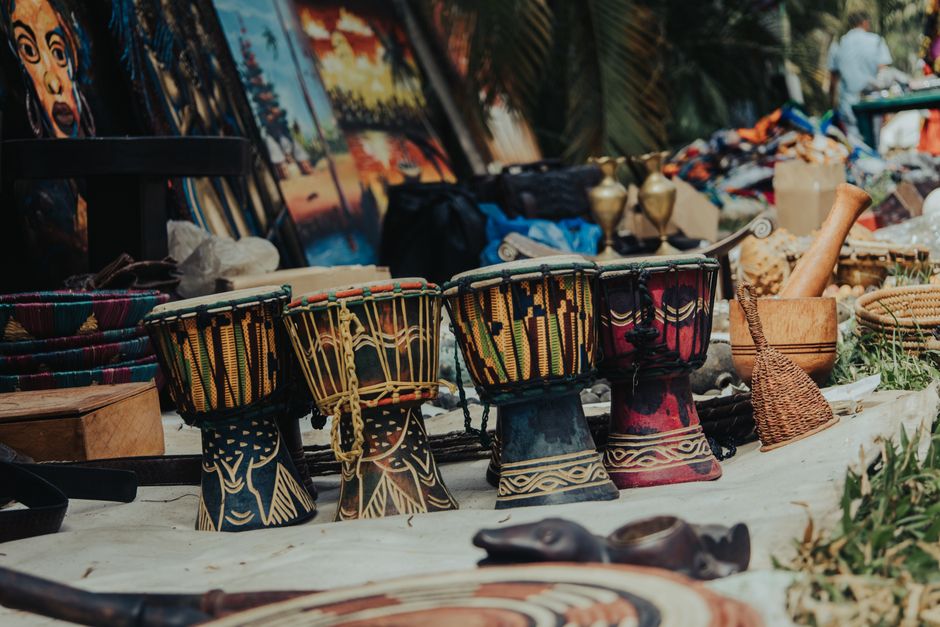
Nigeria is home to over 250 ethnic groups, each with its own unique traditions, languages, and cultural practices. The Yoruba, Igbo, and Hausa are just a few of the larger ethnic groups contributing to Nigeria's vibrant cultural mosaic.
- Experience the colorful festivals, like the Durbar in Katsina.
- Explore the ancient Nok culture and its remarkable terracotta sculptures.
- Join a traditional Yoruba ceremony, rich in music and dance.
Such diversity makes Nigeria a fascinating destination for those interested in cultural exploration.
Myth 3: Nigeria is All About Lagos and Abuja
Beyond the Metropolitan Centers
While Lagos and Abuja are prominent cities, the misconception that they are the only places worth visiting in Nigeria is far from the truth.
Discovering Hidden Gems
Outside the bustling cityscapes, Nigeria offers a plethora of natural wonders and historical sites. The captivating Ogbunike Caves, the untouched beauty of Olumo Rock, and the sacred Osun-Osogbo Sacred Grove are just a few examples of the country's lesser-known attractions.
"Travel to Yankari National Park for a chance to see elephants, lions, and the rich biodiversity of Nigeria."
Myth 4: Nigeria is Not Tourist-Friendly
Challenging the Notion of Unfriendliness
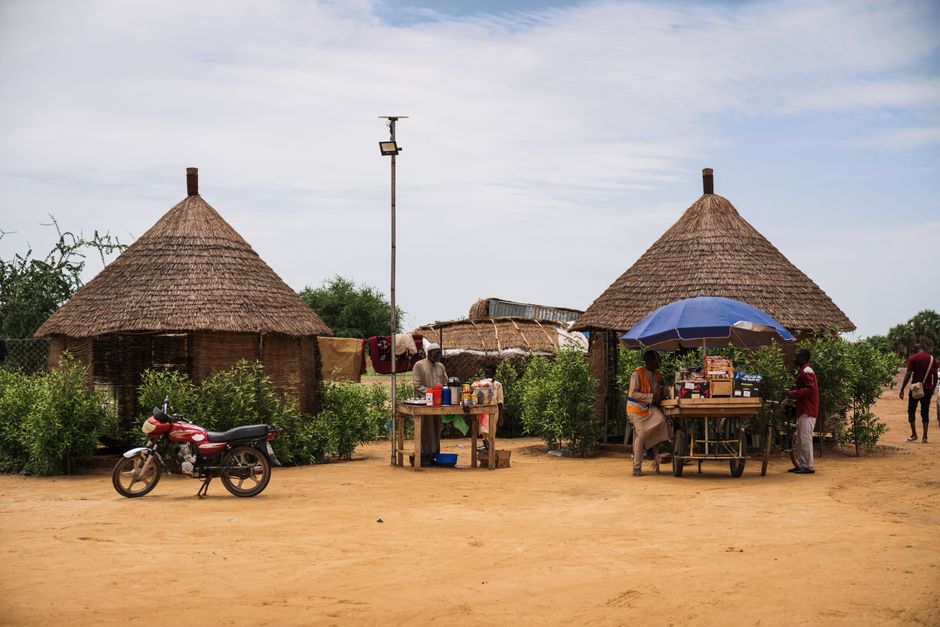
There's a misconception that Nigeria is not well-equipped to handle tourists, which can discourage potential travelers.
Nigeria's Growing Tourism Infrastructure
Contrary to this belief, Nigeria is continually improving its tourism infrastructure. New hotels, improved transportation systems, and tour operators offering curated experiences are making it easier for tourists to visit and enjoy Nigeria’s diverse offerings.
Communities across the country are increasingly recognizing the value of tourism and are taking active steps to enhance visitor experiences.
Conclusion
Dispelling these myths is crucial to understanding the real Nigeria—a nation full of potential and unique experiences. Whether you're seeking cultural enrichment, natural beauty, or simply a new adventure, Nigeria has much to offer. By challenging the myths and embracing the facts, you open yourself up to a world of wonder that awaits in this dynamic African country.
Remember, every travel destination has its myths, but it's up to the traveler to seek the truth and uncover the gems hidden within.