Traveling in Nigeria often comes with a set of preconceived notions that can shape perceptions and sometimes deter would-be travelers. It's not unusual to hear tales that paint a picture of Nigeria as a daunting destination. However, the reality is often more nuanced and inviting than these myths suggest. In this article, we'll dissect some of the most common myths about traveling in Nigeria to uncover the truth and provide a clearer picture for potential visitors.
Myth 1: Nigeria is Highly Unsafe for Tourists
Safety concerns are perhaps the most prevalent myths associated with Nigeria. Stories of crime and unrest may lead one to believe that the country is an unsafe travel destination.
Understanding Safety in Nigeria
While it is true that certain areas in Nigeria have higher risks, the country is diverse, and many regions are quite safe for tourists. Cities like Lagos, Abuja, and Calabar are known for their vibrant cultures and welcoming locals.
- Travelers should stay informed about regional advisories.
- Engaging with local guides can enhance safety and enrich experiences.
It's important to approach safety with a nuanced perspective, recognizing that just like in any country, there are safe and less safe areas.
"Nigeria is as safe as any other country if you know where to go and what precautions to take." - Travel Expert
Myth 2: Nigerian Food is Only Spicy and Not Varied
Another prevalent myth is that Nigerian cuisine consists only of spicy dishes, limiting options for those with milder palates.
Exploring Nigerian Cuisine
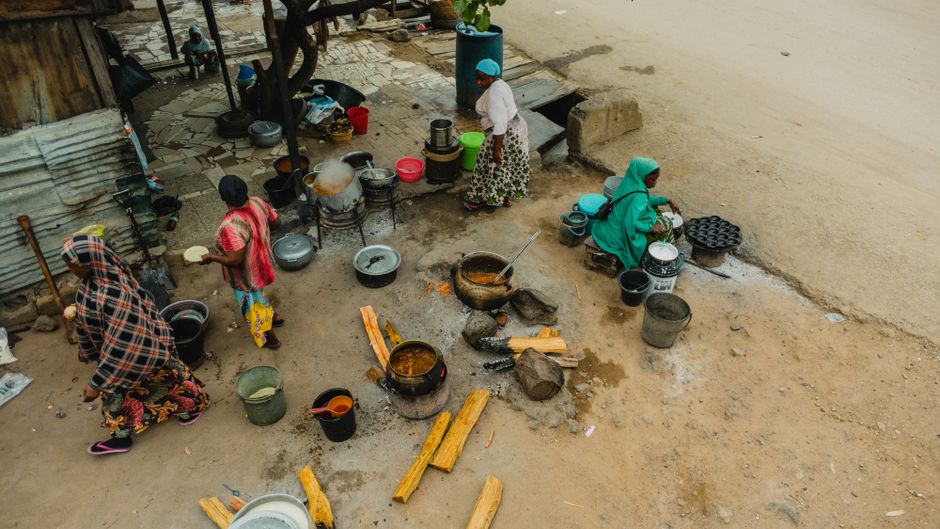
Nigerian food is rich and diverse, offering a wide array of flavors beyond just heat. Dishes like jollof rice, suya, and egusi soup showcase different spices and ingredients.
- Jollof rice is a flavorful, tomato-based rice dish loved by many.
- Suya offers a taste of marinated, skewered meat, often lightly spiced.
Travelers should embrace the diversity of Nigerian cuisine, which provides something for every taste preference.
Myth 3: Transportation in Nigeria is Chaotic and Unreliable
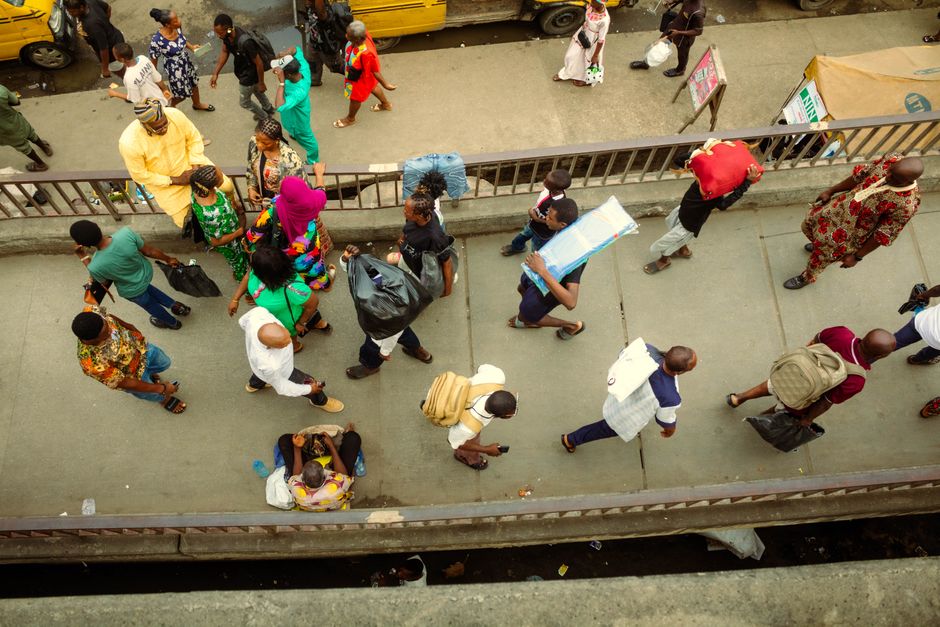
Many people believe that getting around in Nigeria is a nightmare due to chaotic traffic and unreliable public transport.
Navigating Nigerian Transport
While traffic in cities like Lagos can be intense, Nigeria offers various reliable transport options. From domestic flights to ride-hailing services like Bolt and Uber, there are many ways to navigate comfortably.
- Domestic flights efficiently connect major cities.
- Ride-hailing apps provide safe and convenient travel options.
Understanding these options makes it easier to plan and enjoy travel across Nigeria.
Myth 4: There's Nothing to See in Nigeria Besides Lagos
Some travelers mistakenly believe Nigeria's attractions start and end with Lagos.
Discovering Nigeria's Diverse Attractions
Nigeria is teeming with unique sites and cultural experiences beyond Lagos, including the ancient city of Ile-Ife and the stunning landscapes of Yankari National Park.
- Ile-Ife offers a deep dive into Yoruba history and culture.
- Yankari National Park is home to wildlife and natural hot springs.
Exploring Nigeria's diverse attractions can be a rewarding experience for any traveler.
Conclusion
Navigating myths about Nigeria is crucial for any traveler looking to explore this vibrant country. By separating fact from fiction, travelers can better appreciate Nigeria's rich cultural tapestry and diverse offerings. Whether it's savoring the local cuisine or exploring its natural beauty, Nigeria promises an unforgettable journey for those willing to dig deeper than the myths suggest.