When it comes to traveling in Nigeria, preconceived notions often cloud judgment. The vibrant culture, diverse landscapes, and warm hospitality are often overshadowed by widespread myths. This article aims to dispel some of these myths by revealing the facts, offering a clearer picture of what it's really like to travel in Nigeria.
One of the most common concerns travelers have is safety. Stories in the media might paint Nigeria as a place fraught with danger, but the truth is more nuanced. Another myth suggests that Nigeria lacks culinary diversity, a claim that couldn't be further from the truth. Additionally, some travelers believe that Nigeria's cultural richness is exaggerated, yet every region offers unique traditions and experiences.
In this comprehensive guide, we'll look at these myths and more, providing you with factual insights. By the end, you'll see Nigeria in a new light and perhaps even be inspired to explore this captivating country.
Myth 1: Nigeria is Inherently Unsafe for Tourists
The Myth
For many potential visitors, the notion that Nigeria is unsafe is a major deterrent. News headlines often highlight incidents that can make the country appear perilous.
The Fact
The reality is that Nigeria, like any other country, has safe and less safe areas. Cities like Lagos and Abuja are bustling with activity and are generally safe for tourists. Local guides and travel agencies can provide valuable insights and ensure a safe travel experience.
"Safety is not the absence of danger, but the presence of preparedness."
Practical Tips for Safe Travel
- Research your destinations thoroughly before visiting.
- Engage with reputable local guides for insights and safety.
- Stay informed about local customs and regulations.
Myth 2: Nigerian Cuisine is Limited and Unvaried
The Myth
Another misconception is that Nigerian food lacks variety. Some think it's all about jollof rice and not much else.
The Fact
Nigerian cuisine is incredibly diverse, with each region offering distinct dishes. From the pepper soups of the south to the suya of the north, there's a dish for every palate.
"Nigerian food is a tapestry of flavors, not just a single thread."
Must-Try Dishes
- Pounded Yam and Egusi Soup: A staple in many Nigerian homes, this dish is both filling and flavorful.
- Akara: Fried bean cakes that are perfect for breakfast or as a snack.
- Ofada Rice and Ayamase Sauce: A spicy, flavorful dish popular in Western Nigeria.
Myth 3: Nigeria Lacks Cultural Diversity
The Myth
Some believe that the cultural experiences in Nigeria are oversold and lack depth.
The Fact
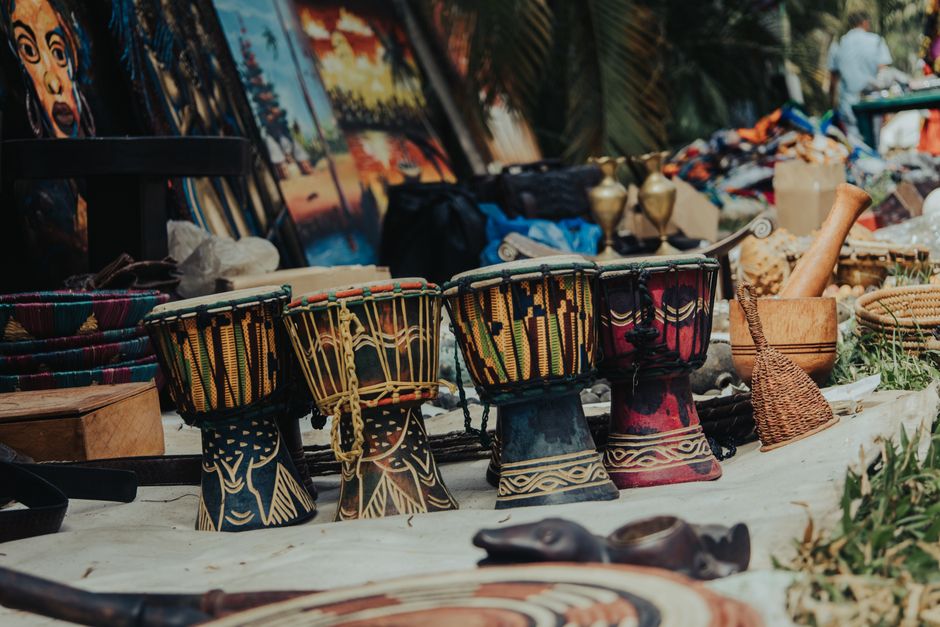
Nigeria is home to over 250 ethnic groups, each with their own traditions, languages, and festivals. The cultural landscape is as rich as it is varied.
"In Nigeria, every culture tells a story, and every story is a celebration."
Cultural Experiences to Explore
- Visit the Osun-Osogbo Sacred Grove, a UNESCO World Heritage site.
- Attend the Durbar Festival in Kano, a vibrant celebration of horse riding and pageantry.
- Explore the art and crafts in Oron Museum, which showcases the heritage of the Efik people.
Myth 4: Nigeria's Natural Beauty is Overrated
The Myth
Some think that Nigeria's landscapes are not worth exploring compared to other African destinations.
The Fact
Nigeria boasts a range of stunning natural attractions, from the majestic Aso Rock in Abuja to the serene beaches of Calabar.
"Nature in Nigeria is a canvas painted with breathtaking landscapes."
Natural Wonders to Discover
- Hike the Olumo Rock in Abeokuta for panoramic views.
- Relax at Tarkwa Bay Beach, a peaceful escape from Lagos's hustle.
- Witness the waterfalls at Erin Ijesha, a series of scenic cascades.
Final Thoughts
Traveling in Nigeria offers rich experiences shaped by its people, culture, and landscapes, often misrepresented by myths. As we've uncovered, the realities of Nigeria are far more inviting than often portrayed. By approaching travel here with openness and awareness, visitors can enjoy the genuine warmth and beauty Nigeria offers.