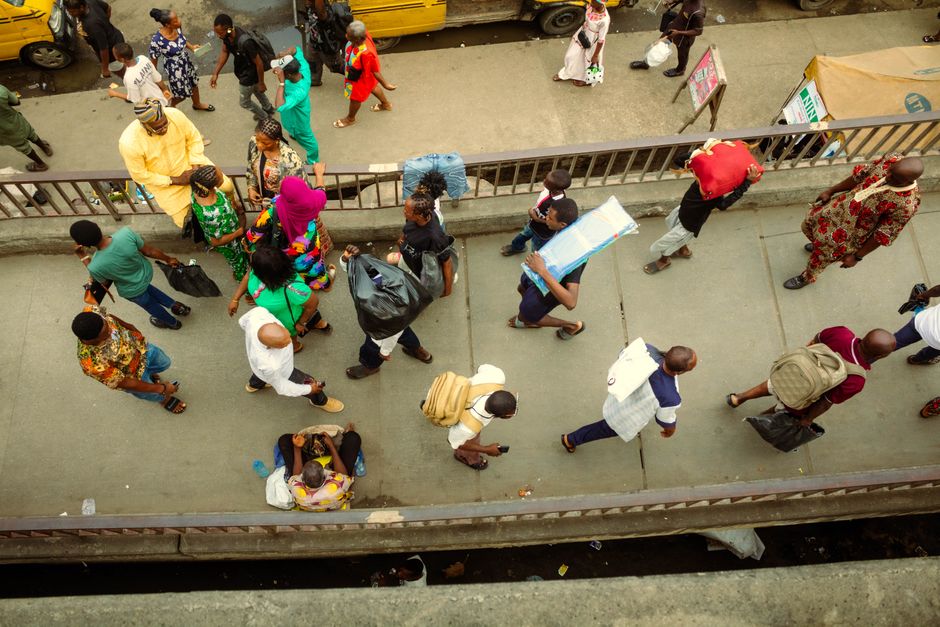
Traveling in Nigeria can feel like venturing into the unknown, especially with the myriad of myths swirling around. Some say Nigeria is too perilous for tourists, while others claim getting around is an impossible feat. But how much of this is fact and how much is fiction? Let's unravel these myths, one by one, so you can confidently plan your Nigerian adventure.
First, let's address the elephant in the room: safety. Nigeria often makes headlines for the wrong reasons, but is it really a no-go zone for travelers? Then there's the question of transportation. With images of bustling cities and chaotic traffic, is navigating Nigeria truly a nightmare? And what about the cultural misconceptions that often color our perceptions of this vibrant nation?
By dissecting these myths, we'll paint a clearer picture of what traveling in Nigeria is genuinely like. Whether you're planning to explore the bustling streets of Lagos or the serene landscapes of Calabar, a factual understanding will enhance your travel experience and ensure you see Nigeria for what it truly is: a country of diversity and resilience.
Myth 1: Nigeria is Unsafe for Travelers
Fact: It Depends on Where You Go
Nigeria is often branded as a dangerous destination, a perception fueled by media reports of kidnappings and terrorism. However, these incidents are primarily confined to certain areas. For instance, regions like Borno State have ongoing security concerns, but this is not representative of the entire country.
"Travelers should research specific areas and follow travel advisories, as Nigeria offers numerous safe and welcoming regions."
Major cities like Lagos, Abuja, and Calabar are generally safe for tourists. These areas have a significant police presence and a vibrant expatriate community, which contribute to a safer environment. As with any destination, exercising common sense, such as avoiding isolated areas at night and staying informed about local news, can enhance your safety.
Safety Tips for Travelers
- Avoid displaying wealth such as expensive jewelry and gadgets.
- Use reputable transportation services like Uber or registered taxis.
- Stay informed with local news and travel advisories.
- Engage with locals and expatriates for insider tips.
Myth 2: Nigerian Transportation is Chaotic
Fact: Diverse Options with Some Challenges
Yes, Nigeria's roads can be hectic, particularly in Lagos, known for its legendary traffic jams. However, labeling all transportation as chaotic is misleading. Nigeria boasts a variety of transport options, from the traditional danfo minibuses to ride-hailing services like Bolt and Uber.
"While traffic can be daunting, understanding how to navigate local transport systems can lead to a smoother travel experience."
Air travel within Nigeria is efficient with several domestic airlines connecting major cities. Rail transport is also making a comeback, offering a scenic and comfortable way to travel between cities like Lagos and Abuja.
Tips for Navigating Nigerian Transport
- Plan travel times outside peak hours to avoid traffic.
- Consider domestic flights for long-distance travel.
- Use ride-hailing apps for convenience and safety.
- Research the local transport system in each city.
Myth 3: Nigerian Culture is Difficult to Navigate
Fact: Diversity is the Key
Another misconception is that Nigerian culture is too complex for outsiders to grasp. Nigeria is indeed a tapestry of cultures, with over 250 ethnic groups and a plethora of languages. But this diversity is a strength, offering rich cultural experiences to those willing to explore.
"Embracing the local culture can enrich your travel experience, revealing the warmth and hospitality Nigerians are known for."
Visitors can immerse themselves in Nigeria's vibrant music scene, savor diverse cuisines like jollof rice and suya, and participate in colorful festivals such as the Osun-Osogbo festival. Understanding basic cultural etiquettes, like greetings and respect for elders, can go a long way in enhancing your interaction with locals.
Cultural Tips for Travelers
- Learn a few phrases in the local language to break the ice.
- Respect local customs and dress modestly in traditional areas.
- Participate in local festivals and events for immersive experiences.
- Engage with locals to learn about their culture and traditions.
Myth 4: Nigerian Food is Too Spicy to Enjoy
Fact: A Palette of Flavors Awaits
It's common to hear that Nigerian food is overwhelmingly spicy, deterring some from fully experiencing the culinary scene. While it's true that spices are a staple in Nigerian cuisine, not every dish will set your mouth ablaze.
"From mild to fiery, Nigerian cuisine offers a spectrum of flavors that cater to all taste preferences."
Dishes like jollof rice, a party favorite, can be adjusted to your spice tolerance, while dishes such as moi moi (a steamed bean pudding) offer a milder taste. Exploring local markets, like the Balogun Market in Lagos, provides a hands-on experience with Nigeria's diverse ingredients and culinary traditions.
Tips for Enjoying Nigerian Cuisine
- Start with milder dishes and gradually try spicier options.
- Ask locals for recommendations based on your spice preference.
- Visit local markets to learn about traditional ingredients.
- Join a cooking class to understand Nigerian cooking techniques.
Final Thoughts
Traveling in Nigeria is an adventure filled with dynamic experiences, from bustling cities to serene landscapes and vibrant cultures. By debunking these myths, you can approach your journey with a clearer perspective, ready to embrace the country's authentic beauty. With an open mind and a sense of adventure, Nigeria's true essence will reveal itself, offering memories that will last a lifetime.