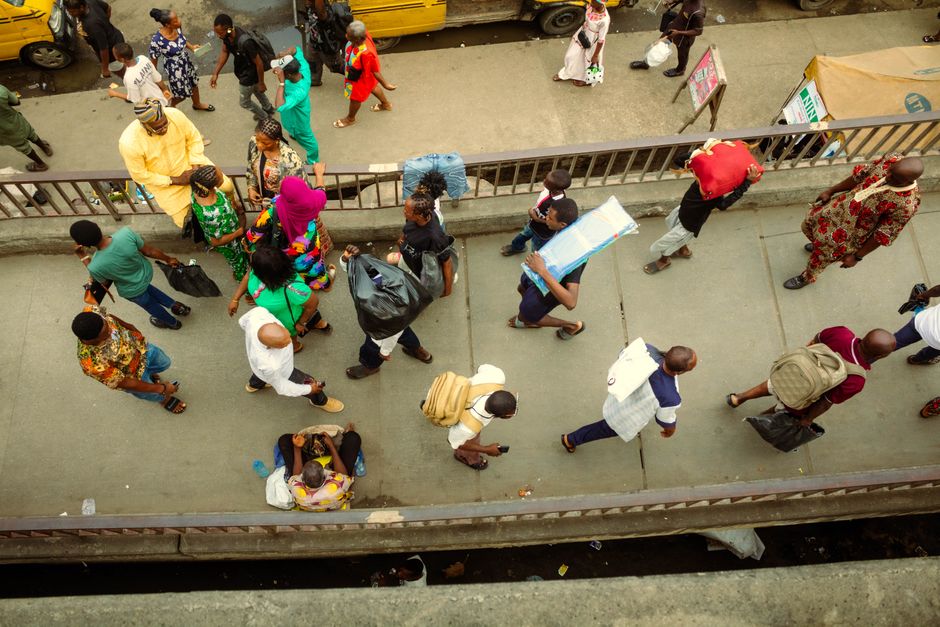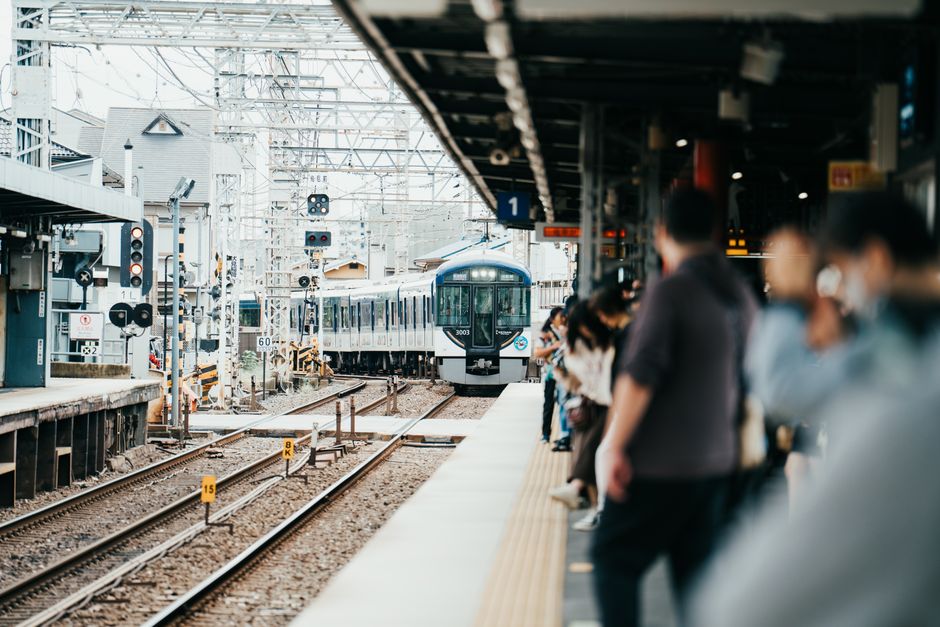
Traveling within Nigeria offers a tapestry of experiences, and choosing between rail and road is a decision that many travelers face. Each mode of travel offers unique advantages and challenges, and understanding these can make your journey more enjoyable. Whether it's the rhythmic clatter of train wheels or the flexible, sometimes bumpy road trips, your choice could define your travel narrative.
Nigeria's rail network is gradually expanding, with recent improvements that promise a different travel experience. Meanwhile, road travel remains deeply ingrained in the country's culture, offering direct routes and flexibility. But how do these two compare in terms of cost, convenience, and safety?
In this article, we dive deep into a comparison between Nigerian rail and road travel. We'll explore the nuances of each option, weigh the pros and cons, and help you decide which suits your travel style and needs best.
Cost Comparison: Rail vs. Road Travel
Affordability
One of the foremost considerations for any traveler is cost. Rail travel in Nigeria can be surprisingly affordable, especially for longer distances. For instance, a train journey from Lagos to Ibadan costs about N2,000, making it a budget-friendly option.
On the other hand, road travel varies widely in price, influenced by factors such as vehicle choice and fuel costs. A bus ride on the same route might range from N1,500 to N3,000, depending on the transport company and the level of comfort offered.
Hidden Expenses
While the basic ticket price for rail travel seems lower, there can be additional costs, such as for food and accommodations if delays occur. Road travel, too, can incur unexpected expenses, such as vehicle breakdowns or road tolls.
"When choosing between rail and road, consider all potential expenses, not just the ticket price."
Comfort and Convenience: What to Expect
Travel Conditions
Rail travel offers a relatively smooth and comfortable ride, with ample seating and the freedom to move around. The trains are equipped with restrooms and dining services, enhancing the travel experience.
In contrast, road travel can be less predictable. The condition of the roads can vary significantly, impacting comfort. However, road travel offers more flexibility with numerous stopovers and the opportunity to explore rural areas.
Time Efficiency
Trains generally adhere to a schedule, making them a preferable choice for time-conscious travelers. However, delays are not unheard of. Road travel can be more time-consuming due to traffic congestion and road conditions, especially in populous cities like Lagos.
Safety and Reliability
Rail Safety
Rail travel is often considered safer than road travel due to fewer accidents. The Nigerian Railway Corporation (NRC) has been working to improve safety standards, reducing incidents significantly.
However, security on trains can be a concern, particularly in less populated areas. It's advisable to travel during the day and stay vigilant.
Road Safety
Road travel in Nigeria is notorious for its risks, with traffic accidents being a common occurrence. Issues like poor road conditions and reckless driving contribute to this.
"For safety, always choose reputable transport companies and avoid night travel."
Cultural and Social Experiences
Rail Travel Experience
Trains offer a unique opportunity to interact with a diverse set of travelers, making it a cultural melting pot. The journey often provides stunning views of Nigeria's landscape, from lush greenery to bustling urban centers.
Road Travel Experience
Road trips allow for a deeper connection with local cultures, as they pass through towns and villages. Travelers have the chance to stop and engage with local markets and enjoy regional cuisines.
Environmental Impact
Rail's Eco-Friendly Edge
Rail travel generally has a smaller carbon footprint compared to road travel. The efficiency of trains in transporting large numbers of passengers with lower emissions makes it an environmentally friendly option.
Road Travel's Impact
Road travel contributes significantly to air pollution, with vehicles emitting greenhouse gases. Opting for carpooling or public buses can help reduce individual impacts.
Final Thoughts
Both rail and road travel in Nigeria have their own sets of benefits and drawbacks. If budget, time, and safety are your top priorities, rail travel might be the better choice. However, if flexibility, cultural immersion, and the thrill of the open road appeal to you, then road travel could be the way to go.
Ultimately, your choice should align with your personal travel goals and comfort level. Whether you’re watching the countryside roll by from a train window or navigating the vibrant streets by car, Nigeria promises an unforgettable journey.