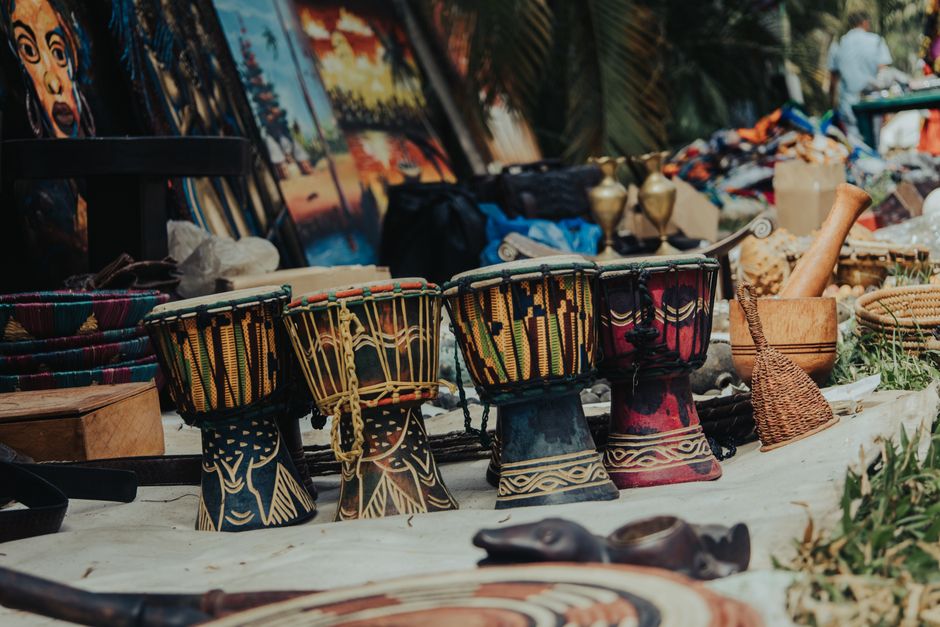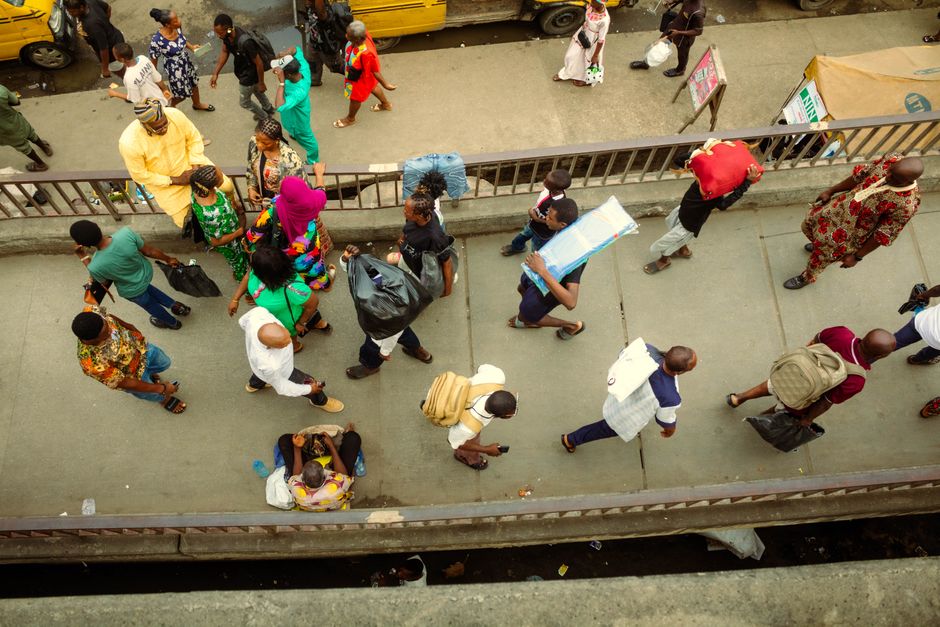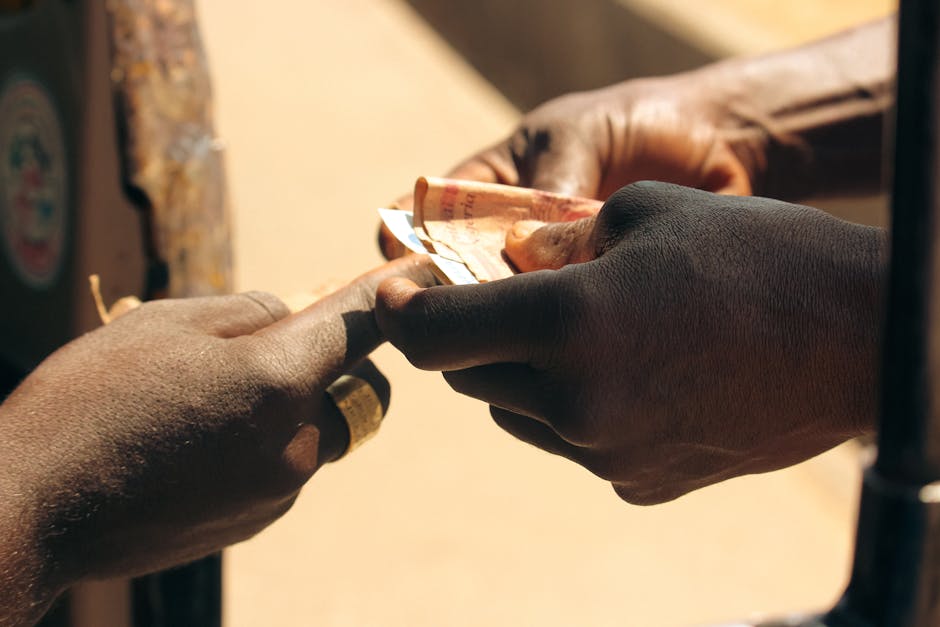
Picture this: You've just landed at Murtala Muhammed International Airport in Lagos, ready for an exciting adventure across Nigeria. Your itinerary is packed with visits to the bustling markets of Lagos Island, exploring the ancient Nok Terracotta in Jos, and relaxing on the pristine beaches of Calabar. But there's one thing you might not have anticipated—a sudden realization that you've been paying more every time you convert your money.
Currency conversion is a crucial aspect of travel that often slides under the radar until it's too late. Many travelers find themselves caught off guard by unfavorable exchange rates or hidden fees, leading to unnecessary expenses that could have been avoided. So, how do you navigate this financial minefield smoothly? Let's explore the common mistakes people make with currency conversion during Nigerian travels and how to rectify them effectively.
Understanding the Basics of Currency Conversion
Exchange Rates Explained
Exchange rates fluctuate constantly, influenced by a myriad of factors including political stability, economic performance, and market speculation. In Nigeria, the official currency is the Naira (NGN). It's crucial to familiarize yourself with the current exchange rate between your home currency and the Naira before your trip.
“Always check the exchange rate on reliable financial news platforms or currency conversion apps like XE Currency before making any conversions.”
Know Where to Exchange Money
One common mistake travelers make is exchanging money at airports, where rates are often less favorable. Instead, consider using banks or authorized currency exchange offices within the city. In Lagos, for example, some travelers find favorable rates at banks like GTBank or First Bank of Nigeria.
- Check for exchange offices in popular shopping districts.
- Use ATMs that dispense Naira directly, but be wary of associated fees.
The Pitfalls of Dynamic Currency Conversion
What is Dynamic Currency Conversion?
This is a service some merchants offer, allowing you to pay in your home currency rather than the local currency. While this might seem convenient, it often comes with hidden costs.
“Avoid using Dynamic Currency Conversion as it typically involves poor exchange rates and additional fees.”
How to Avoid It
Always opt to pay in Naira when given the choice. Inform the cashier or vendor of your preference to pay in the local currency, reducing the likelihood of incurring extra charges.
The Importance of Budgeting and Planning
Set a Realistic Budget
Before traveling, set a budget that includes currency conversion as part of your overall expenses. Allocate funds for accommodation, food, travel, and unexpected expenses.
“Planning your budget with a slight cushion helps manage unexpected fluctuations in exchange rates.”
Use Financial Apps
Apps like Revolut or TransferWise can help manage your money more efficiently. These platforms often offer better exchange rates and lower fees compared to traditional banks.
Security Concerns and Scams
Identify Legitimate Sources
Scams are prevalent in currency exchange, with some individuals offering too-good-to-be-true rates. Always use verified banks or exchange offices.
- Verify the authenticity of exchange offices.
- Avoid street vendors offering currency exchange.
Protect Your Personal Information
When exchanging money, ensure that your personal information is not shared with unauthorized personnel. Be cautious of phishing scams that target travelers.
Final Thoughts
Navigating currency conversion during your travels in Nigeria doesn't have to be stressful. By understanding exchange rates, avoiding dynamic currency conversion, planning your budget carefully, and staying vigilant against scams, you can enjoy a smoother, more economical travel experience. Remember, a little preparation goes a long way in ensuring your journey through Nigeria is as seamless and delightful as possible.